Table Of Contents

What Is Nero d’Avola Wine?

De Bortoli Wines 04/05/2026

Nero d’Avola is a bold red grape variety originating from Sicily, Italy. Known for its deep colour, generous fruit, and balanced structure, it produces wines that feel both vibrant and grounded, rich yet refreshingly drinkable.

Often described as Sicily’s signature red, Nero d’Avola thrives in warm Mediterranean climates. That natural affinity for sunshine makes it particularly well suited to similar conditions in Australia, where it can develop ripe fruit flavours while retaining freshness.

If you enjoy full-flavoured reds like Shiraz but are looking for something with a slightly brighter edge and savoury twist, Nero d’Avola is well worth exploring.

In this guide, we cover what Nero d’Avola means, how to pronounce it, what type of wine it is, whether it is sweet or dry, what it tastes like, and how to enjoy it at the table.

How to Pronounce Nero d’Avola

Nero d’Avola is pronounced:

NEH-roh DAH-voh-lah

Once you’ve said it a few times, it rolls off the tongue naturally. It’s a name that sounds as vibrant as the wine tastes.

What Does Nero d’Avola Mean?

Translated from Italian, “Nero” means black, and “Avola” refers to the town of Avola in southeastern Sicily.

So, Nero d’Avola literally means “Black of Avola.”

The name reflects both the grape’s deep, inky colour and its geographic roots. Historically, the variety became widely planted across Sicily and is now the island’s most recognised red grape.

What Type of Wine Is Nero d’Avola?

Nero d’Avola is a dry red wine that is typically medium to full-bodied with moderate tannins and vibrant fruit character.

It is often compared to:

  • Shiraz for richness
  • Sangiovese for structure and savoury edge
  • Grenache for warmth and approachability

Unlike heavily oaked reds, Nero d’Avola often emphasises fruit purity, spice, and natural balance.

Colour

Aroma

Body

Tannins

Acidity

Typical ABV

Common descriptors

Deep ruby to purple

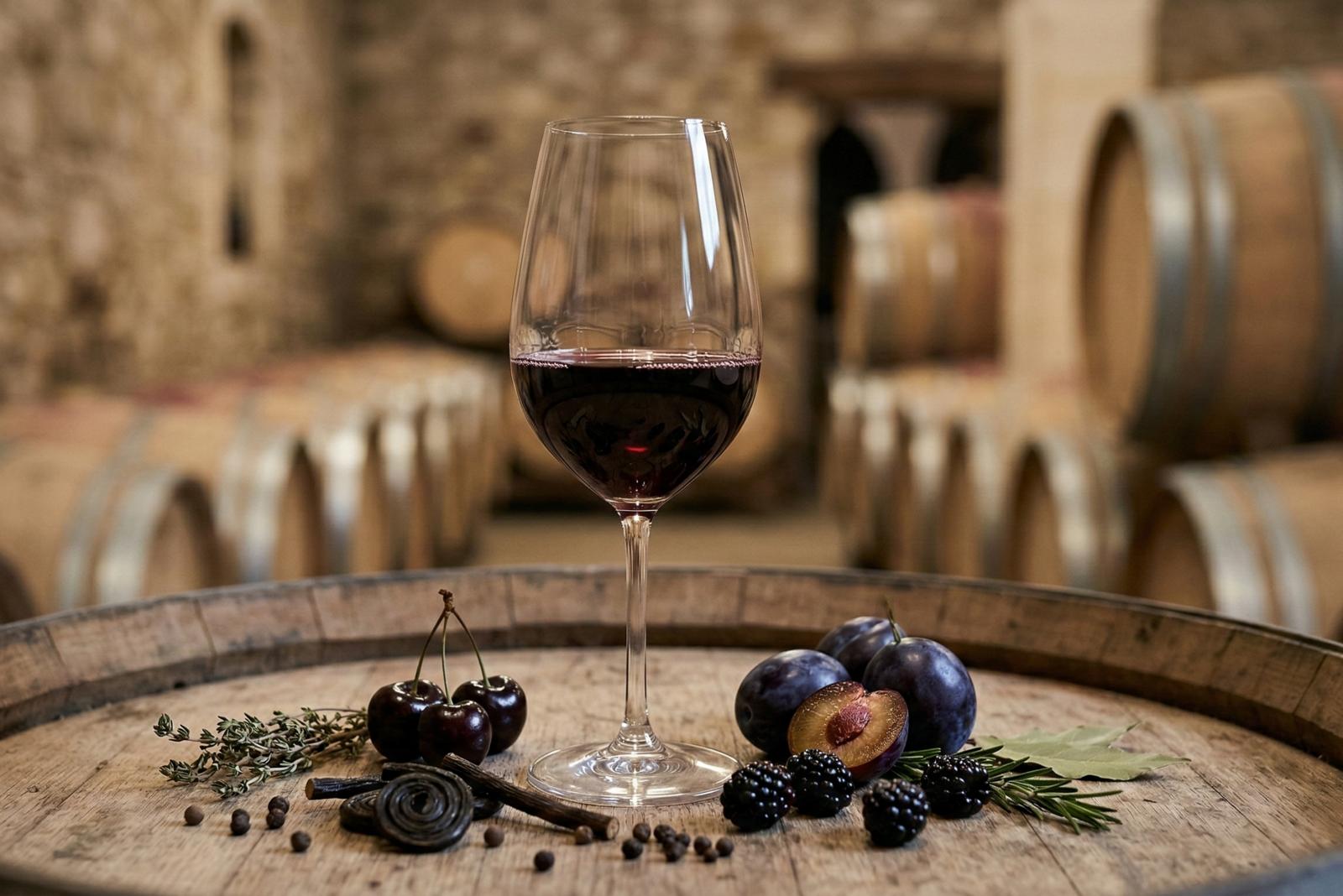
Black cherry, plum, blackberry, violet, dried herbs, liquorice

Medium to full

Medium, rounded

Medium

13–14.5%

Dry, fruit-driven with savoury depth

What Does Nero d’Avola Taste Like?

Nero d’Avola is known for its dark fruit profile balanced by spice and earth.

Common flavour notes include:

  • Black cherry
  • Plum
  • Blackberry
  • Liquorice
  • Black pepper
  • Dried herbs

Warmer climate expressions lean into ripe fruit and plush texture. Slightly cooler or earlier-picked styles can show brighter red fruit, firmer structure, and lifted aromatics.

Oak influence varies. Some examples are matured in oak to add subtle spice and texture, while others are crafted to showcase pure fruit expression.

Where Is Nero d’Avola Grown?

Nero d’Avola originates in Sicily, where it remains the island’s most important red grape. It performs particularly well in warm, sun-drenched regions.

Today, it is grown in:

Region

Typical Style

What to Expect

Sicily

Ripe, fruit-forward

Dark cherry, plum, spice

Southern Italy

Structured

Savoury notes, moderate tannin

Australia

Balanced, vibrant

Generous fruit with freshness

Australia’s climate in select regions mirrors Sicily’s warmth, allowing the grape to ripen fully while retaining balance.

Nero d’Avola in Australia

Nero d’Avola has gained traction in Australia as growers seek Mediterranean varieties suited to warm conditions. The grape responds well to sunshine, producing wines with depth of flavour without excessive heaviness.

Australian styles often highlight:

  • Bright dark fruit
  • Balanced acidity
  • Moderate alcohol
  • Smooth tannins

For drinkers who enjoy Shiraz but want something with a slightly lighter feel and savoury twist, Nero d’Avola offers a compelling alternative.

What to Eat With Nero d’Avola?

Nero d’Avola’s balance of fruit and savoury spice makes it highly versatile at the table.

Food Pairing Guide

Dish

Why It Works

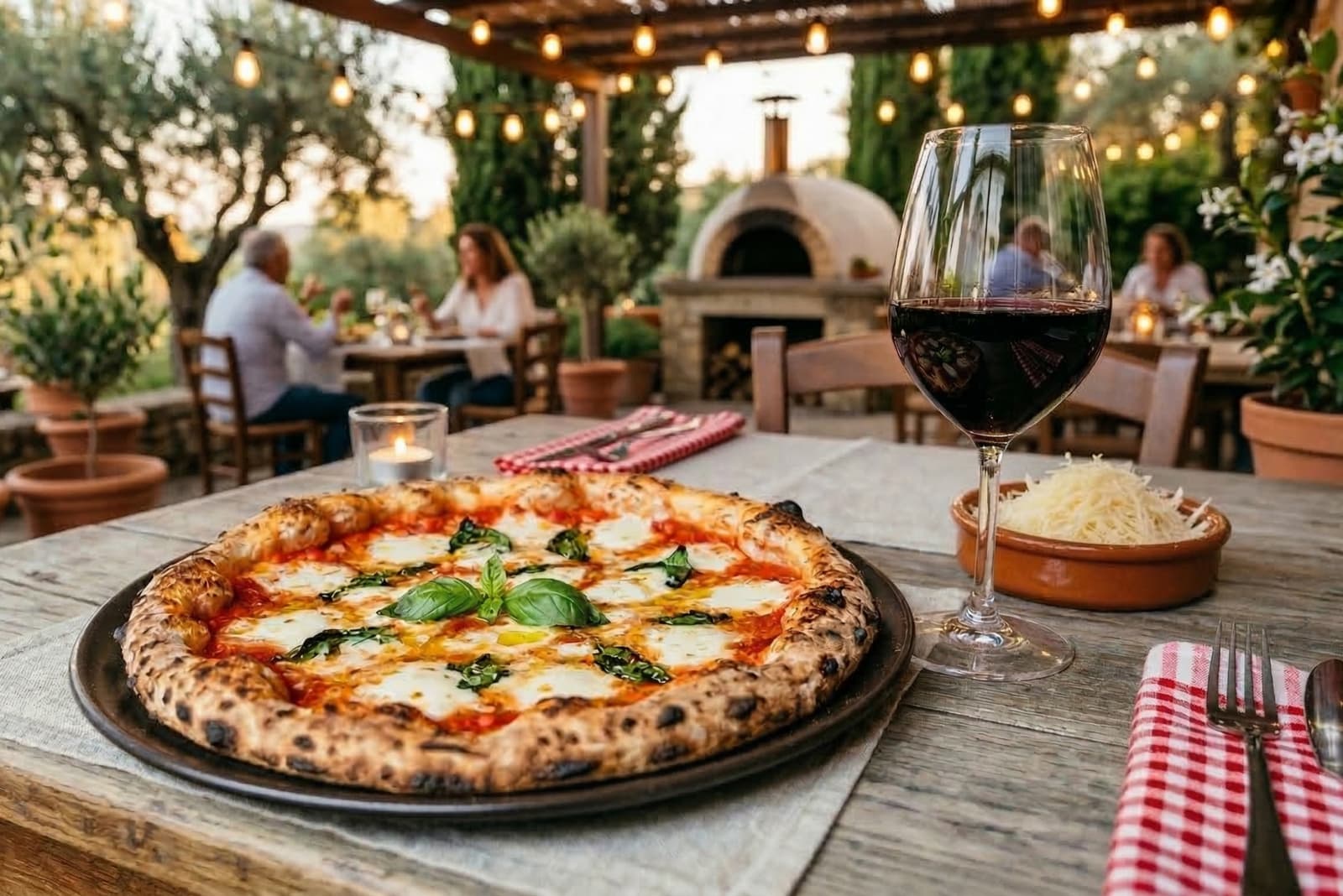
Woodfired pizza

Fruit complements tomato and char

Pasta with rich ragù

Structure supports slow-cooked depth

Grilled lamb

Spice and herbs align naturally

Eggplant parmigiana

Mediterranean flavours harmonise

Barbecued sausages

Fruit balances savoury saltiness

Hard cheeses

Tannins soften alongside protein

Nero d’Avola is at home with Mediterranean cuisine and relaxed outdoor dining.

How Does Nero d’Avola Compare to Shiraz and Sangiovese?

For many Australian drinkers, Nero d’Avola makes the most sense when compared to familiar varieties.

Comparison Table

Variety

Fruit Profile

Structure

Overall Style

Shiraz

Ripe blackberry, plum, spice

Medium to full, often plush

Bold and powerful

Sangiovese

Cherry, red berries, herbs

Medium body, higher acidity

Savoury and structured

Nero d’Avola

Dark cherry, plum, spice

Medium to full, balanced

Rich yet fresh

Nero d’Avola often sits between Shiraz and Sangiovese. It has the generosity and warmth of Shiraz, but with a savoury edge and natural freshness that keeps it lively.

For drinkers who find some Shiraz too heavy or Cabernet Sauvignon too firm, Nero d’Avola can feel like a confident middle ground.

How Should You Serve Nero d’Avola?

Serve Nero d’Avola at around 16–18°C. A large red wine glass allows the aromas to open and soften.

Most examples are ready to drink upon release and do not require extended decanting. If the wine is more structured or oak-influenced, giving it 20–30 minutes of air can help it express its full character.

Once opened, re-cork and refrigerate. It will generally drink well for 2–3 days.

How Is Nero d’Avola Made?

Like most red wines, Nero d’Avola is fermented with its skins to extract colour, tannin, and flavour.

Winemakers shape the style through harvest timing, time on skins, and maturation choices. Some styles are matured in stainless steel to preserve vibrancy. Others see oak ageing to build texture and complexity.

Because the grape naturally produces deep colour and generous fruit, it often requires only a light touch in the winery.

Does Nero d’Avola Age Well?

Most Nero d’Avola is crafted for enjoyment within a few years of release, while fruit remains bright and expressive.

More structured examples, particularly those with careful oak maturation, can age for five to ten years, developing softer tannins and deeper savoury complexity.

For cellaring, store bottles on their side in a cool, dark place with consistent temperature.


What Is the Best Nero d’Avola?

The best Nero d’Avola depends on what you enjoy.

If you prefer fruit-forward, approachable reds for casual dining, look for modern styles that emphasise freshness and purity.

If you enjoy structure and savoury complexity, seek out examples with moderate oak influence and greater concentration.

A simple guide:

  • For everyday drinking: Choose recent vintages with bright fruit and moderate alcohol.
  • For entertaining: Look for balanced, medium to full-bodied styles with refined tannins.
  • For cellaring: Select more structured examples with concentration and length.

Nero d’Avola consistently offers strong value, delivering flavour and character without the price tag of more established premium varieties.


FAQs

Is Nero d’Avola a good alternative to Cabernet Sauvignon?

Yes. If you enjoy Cabernet’s depth but sometimes find it too firm or tannic, Nero d’Avola can feel more generous and rounded. It offers dark fruit intensity with softer structure, making it approachable while still full-flavoured.

Does Nero d’Avola work with spicy food?

It can. Its ripe fruit and moderate tannins help balance mild to moderate spice, especially in dishes with tomato, herbs, or grilled elements. Very hot chilli-heavy dishes may overpower it, but Mediterranean-style spice works beautifully.

Is Nero d’Avola usually oaked?

Not always. Many modern styles are made with minimal oak to highlight fruit purity and freshness. Some premium examples see oak maturation to add texture and subtle spice, but it rarely dominates the wine.

Can you chill Nero d’Avola?

Yes. A light chill for 10–15 minutes before serving can enhance freshness, particularly in warmer weather. It brings out the wine’s vibrancy without muting flavour.

What makes Nero d’Avola different from other Italian reds?

Nero d’Avola combines deep colour and ripe fruit with Mediterranean warmth. It is generally fuller and more generous than many lighter Italian reds, while still retaining balance and savoury character.

SUBSCRIBE TO DE BORTOLI

Sign up for offers, wine insights, food and more