Touriga Nacional is a Portuguese red wine grape best known for the depth and structure it brings to Port, and for the powerful dry reds it can produce in its own right. If you have ever tasted a red wine with deep colour, firm tannins and a lifted violet-like perfume, there is a good chance Touriga Nacional was part of the blend. Most Touriga Nacional wines are dry and full-bodied, with concentrated dark berry flavours and a savoury edge that makes them brilliant with food.
While the grape remains a proud symbol of Portugal, it is also appearing in a small but growing number of Australian vineyards, where warm, reliable ripening can highlight its generous fruit while keeping its trademark structure.
In this guide, you will learn what Touriga Nacional is, what it tastes like, where it comes from, how to pronounce it, what to eat with it, and how it can age over time.
Touriga Nacional is one of Portugal’s flagship red grape varieties. It is valued for making deeply coloured, tannic wines with concentrated flavour and a distinctive floral aroma. The grape’s naturally small berries and thick skins contribute to its intensity, giving wines strong structure and a long finish.
Historically, Touriga Nacional has been important in the Douro Valley as a key variety for Port. More recently, it has earned a strong reputation for high-quality dry table wines as well, either bottled on its own or used in blends to add colour, perfume and backbone.
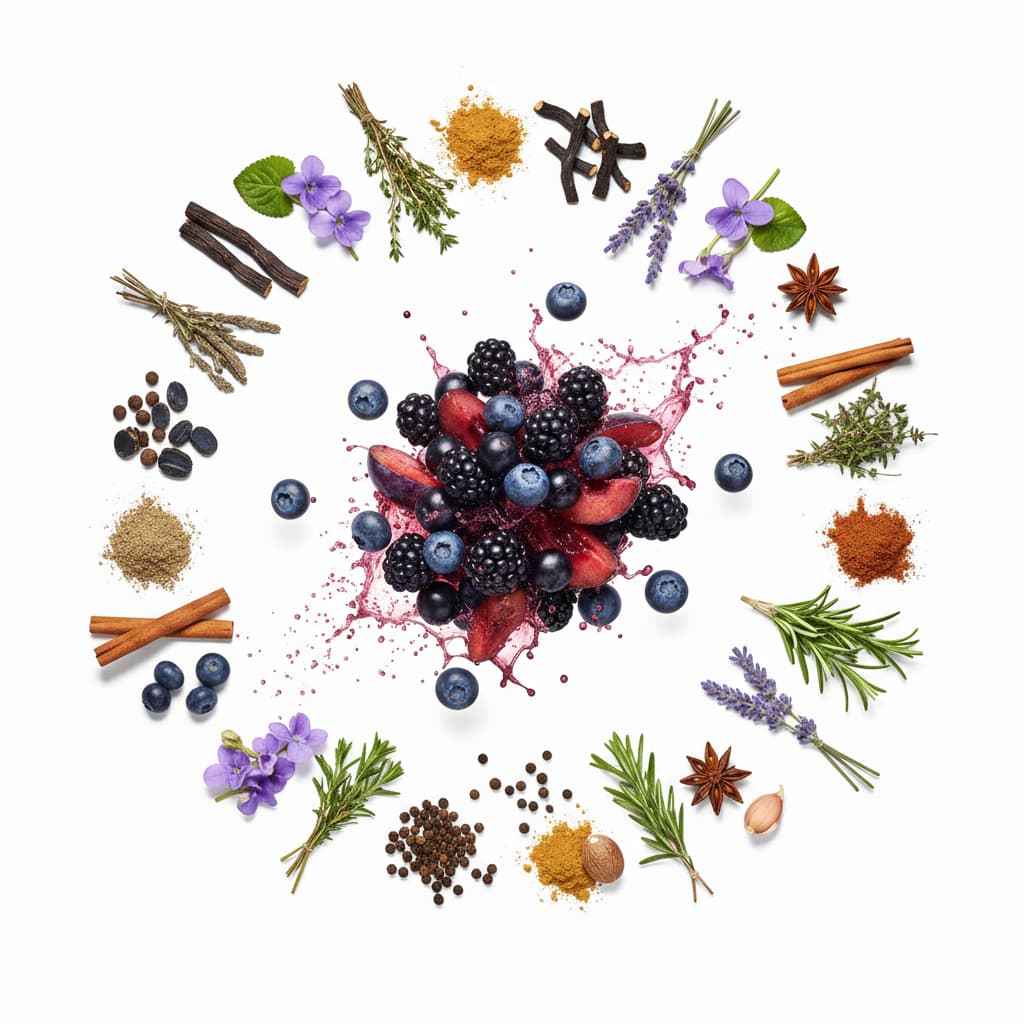
Touriga Nacional is typically full-bodied, with high tannins, medium to high acidity, and intense flavours that combine dark fruit with florals. It often feels powerful and structured, but with a fragrant lift that keeps it from feeling heavy.
Common flavour and aroma descriptors include:
If the wine has been aged in oak, you may also notice hints of vanilla, toast, or subtle mocha, depending on the barrel regime and time in wood.
Touriga Nacional is usually made into dry red wine, even though it is a key component in sweet fortified Port. In dry red versions, grape sugars are fermented into alcohol until the wine finishes dry.
Port becomes sweet because it is fortified with grape spirit partway through fermentation, which stops fermentation early and leaves natural grape sugar behind. The sweetness is created by the winemaking method, not because Touriga Nacional is an inherently “sweet” grape.
Touriga Nacional is indigenous to Portugal, with a long history in the Douro Valley and the Dão region. It became central to Port production because it brought exactly what traditional blends needed: deep colour, firm tannin, and a perfumed character that could remain expressive even after fortification and ageing.
Over time, producers also recognised that these same strengths made it an excellent candidate for dry red wines, especially when managed carefully in the vineyard to achieve ripe tannins and balanced acidity.
Portugal remains the heartland for Touriga Nacional, with strong plantings in:
Outside Portugal, plantings exist in a number of New World regions, including Australia, South Africa, Brazil and the USA. These vineyards are generally modest in scale compared with global varieties like Cabernet Sauvignon, but interest continues to grow as producers explore Iberian grapes suited to warmer conditions.
Climate and site play a clear role in style. Warmer regions often produce riper fruit flavours and slightly softer tannins, while cooler or higher-altitude sites can emphasise lift, acidity, and tighter structure.
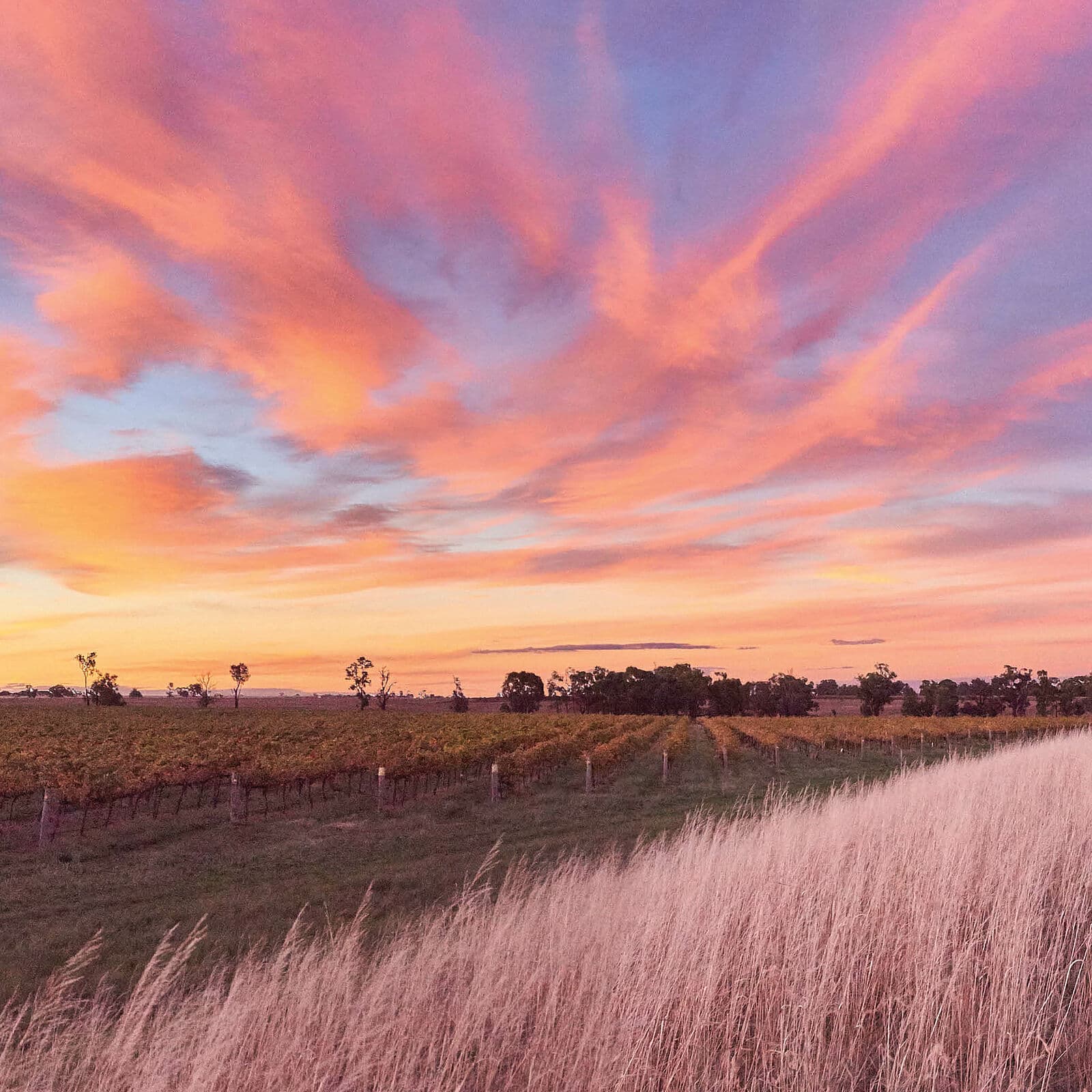
In Australia, Touriga Nacional is often part of a broader movement towards Iberian varieties that suit warm, dry growing conditions and offer something different to classic international grapes. It is most commonly seen as a varietal wine or as a blending component, usually in a bold, dry red style.
Australian regions where Iberian varieties are gaining traction include:
Australian expressions of Touriga Nacional are often ripe and generous in fruit, with the grape’s natural structure still present but frequently more approachable in youth than some traditional Portuguese examples. For Australian drinkers, it can sit comfortably alongside Shiraz and other full-flavoured reds, offering a similar sense of weight and warmth, but with a different aromatic profile that leans more floral and dark-fruited.
Touriga Nacional is one of the main grapes in traditional Port blends, where it contributes colour, tannin and perfume. In a fortified style, those traits help Port maintain depth and complexity through ageing.
In modern dry table wines, Touriga Nacional may be bottled on its own to showcase its character, or blended with other varieties to build structure and fragrance. Dry versions are typically fermented to dryness and may be aged in oak to add savoury complexity and polish the tannins. The main difference in the glass is that Port is fortified and sweet, while dry Touriga Nacional table wines are not fortified and are usually dry, structured reds.
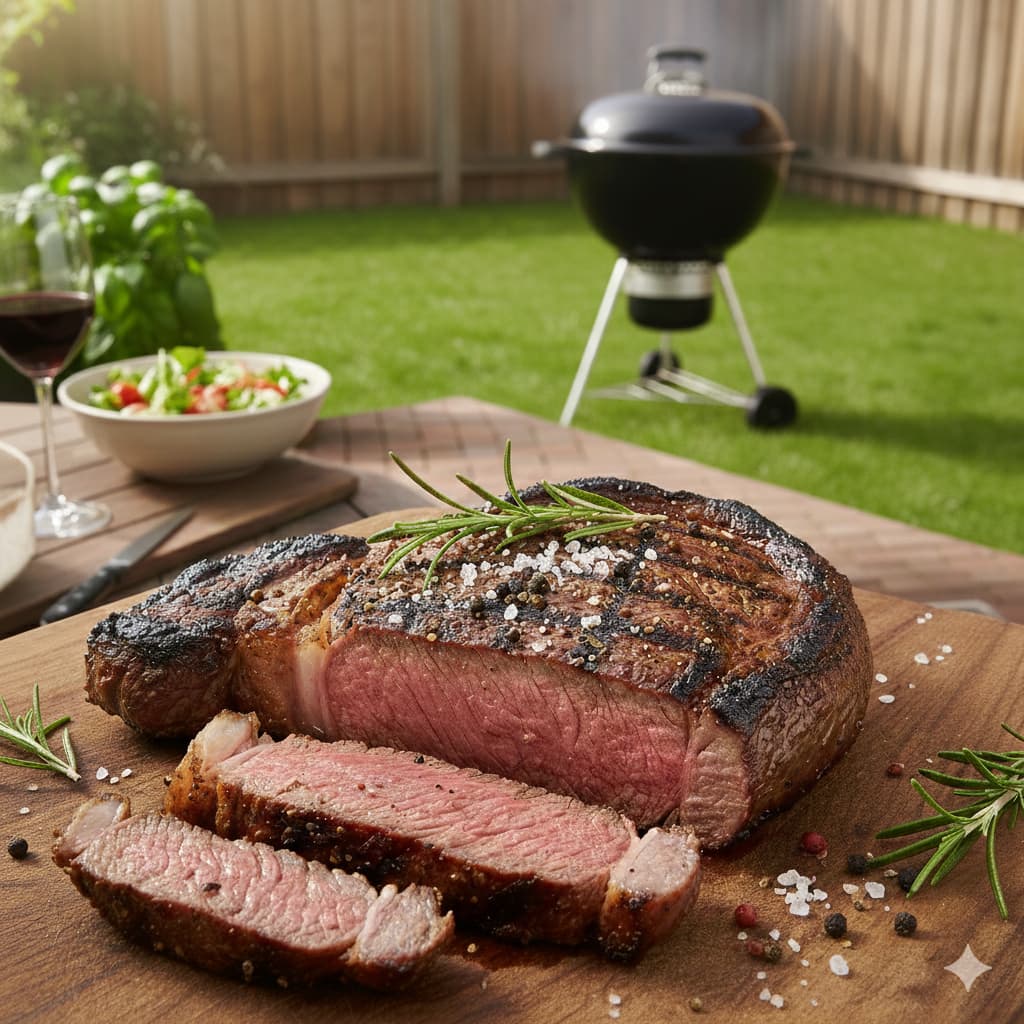
Touriga Nacional’s tannin and concentration make it a natural match for hearty, savoury foods. Protein and fat help soften the tannins, while smoky or slow-cooked flavours sit beautifully alongside the wine’s dark fruit and spice.
Practical pairing ideas include:
If you are serving Touriga Nacional with food, it often shines at the table because the meal naturally brings balance to its structure.
too-REE-gah nah-see-oh-NAL
Minor regional differences exist, but this pronunciation is close enough for everyday use and will help you feel confident ordering the wine.
Many high-quality Touriga Nacional wines age well thanks to their tannin, acidity and concentration. As a general guide, approachable styles may drink well over 5–10 years, while top examples from Portugal can often cellar for 10–20 years or more, developing more savoury, earthy complexity over time.
Some Australian expressions are made to be enjoyed earlier, with ripe fruit and a slightly softer feel in youth, but they can still improve for several years, particularly if the wine has good balance and was made with ageing in mind.
People often search for Touriga Nacional because they are curious about what it tastes like, how to pronounce it, and how it compares to other bold reds. The answers below cover the most common practical questions.
In structure, Touriga Nacional can feel similar to Cabernet Sauvignon or Tannat because it is tannic and built to age. In flavour, it may remind some people of Syrah or Malbec due to its dark fruit depth and savoury edges, alongside a distinctive floral lift. These comparisons can help set expectations, but Touriga Nacional has its own signature profile, especially in its violet-like aromatics.
It can be, especially for beginners who already enjoy fuller-bodied reds and typically drink wine with food. For very tannin-sensitive drinkers, it may feel intense at first. If you are unsure, start with a fruit-driven style (often younger or New World examples) and pair it with a meal to help the structure feel more balanced.
Serve it slightly below typical room temperature, around the mid to high teens in Celsius, and consider giving it a short decant to soften tannins and open up aromas. A medium to large red wine glass works well, as it gives the wine space to breathe and helps the floral notes lift from the glass.
No. While it is traditionally blended in Port and in many Portuguese table wines, many producers now bottle varietal Touriga Nacional to highlight its character. Blends can offer extra layers and balance, while single varietal wines tend to show the grape’s perfume, tannin and dark fruit in a more direct way.
Sign up for offers, wine insights, food and more