Table Of Contents

What is Primitivo?

De Bortoli Wines 27/01/2026

Primitivo is a red grape variety best known for the generous, sun-ripened wines it produces in Puglia, the warm southern “heel” of Italy. A typical primitivo wine is rich and fruit-driven, with ripe dark berries, warm spice, and a fuller body. Because the grape ripens easily in warm climates and can build sugar quickly, many Primitivo wines sit at higher alcohol levels, with moderate acidity and a plush mouthfeel.

You may also hear Primitivo discussed alongside Zinfandel. They are genetically related, but the wines can taste quite different depending on where they are grown and how they are made. Southern Italian Primitivo often leans into savoury spice and dried herb notes, while many Californian Zinfandels are riper and bolder, sometimes with sweeter oak and a more overtly jammy profile.

This guide covers what Primitivo is, what the name means, how it compares with Zinfandel, what Primitivo wine tastes like, key regions and styles, serving and cellaring tips, food pairings, and practical buying advice.

Is Primitivo a grape?

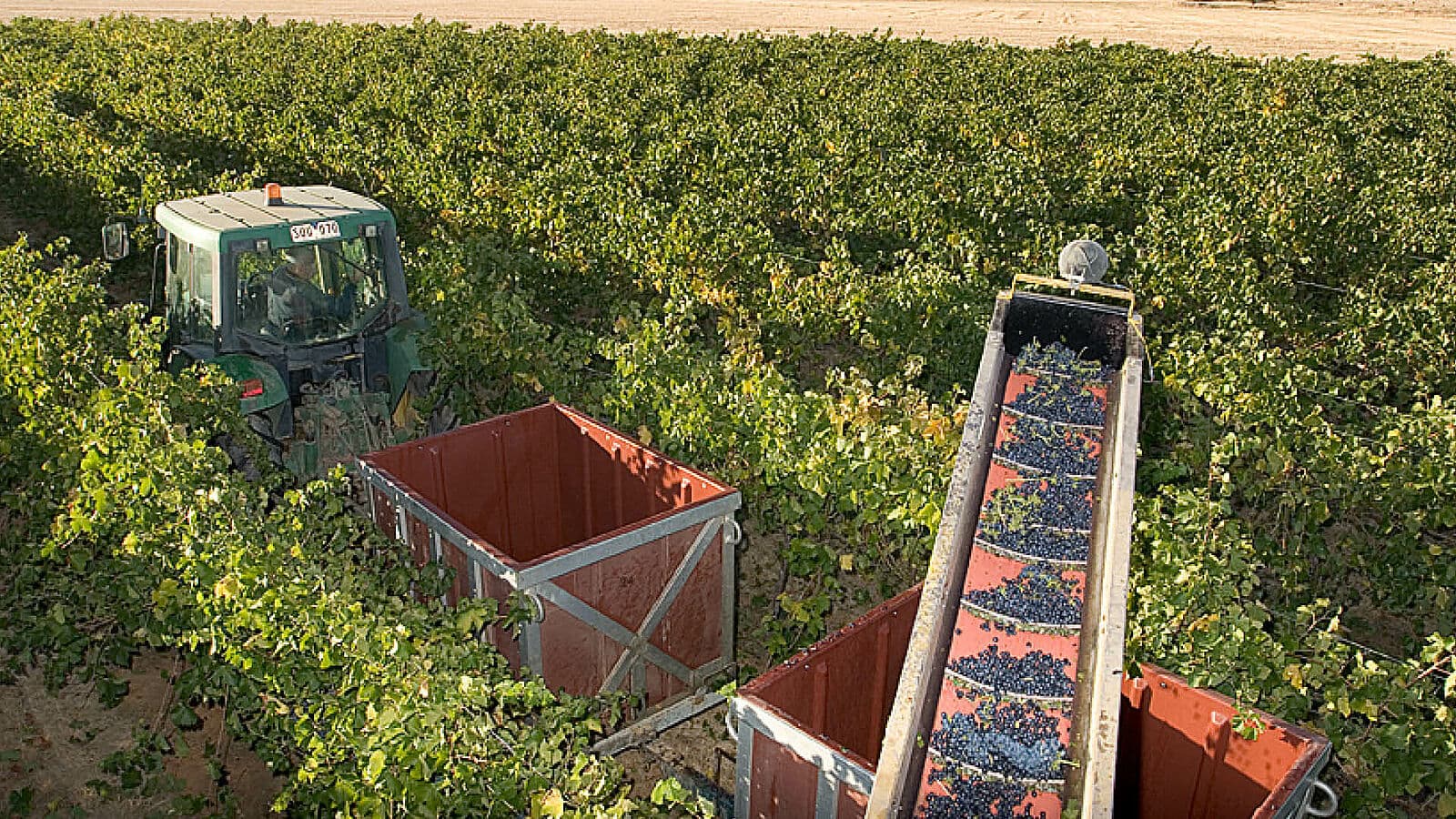
Yes. Primitivo is a distinct Vitis vinifera grape variety, historically linked to Puglia in southern Italy. It ripens early and can accumulate high sugar, which is why it is well-suited to warm climates and often produces wines with higher alcohol potential.

In the winery, that early ripening and sugar build gives producers choices. They can pick earlier to keep the wine fresher and more medium-bodied, or pick later for a richer, fuller style. Winemakers may also manage tannins carefully to keep the wine balanced, and sometimes blend Primitivo with other varieties to add lift or structure depending on the regional style.

Common viticulture traits include:

  • Early ripening compared with many red varieties
  • High sugar accumulation (higher potential alcohol)
  • Typically full flavour at ripeness, even without heavy oak use
  • Performs well in warm, sunny sites
  • Can be sensitive to over-ripening if harvest timing is delayed

Is Primitivo the same as Zinfandel?

Primitivo and Zinfandel are genetically related, but regional naming, clonal differences and winemaking traditions can make the styles feel distinct in the glass. DNA research linked Primitivo to a Croatian grape (often referenced as Tribidrag, also known as Crljenak Kaštelanski) and to California’s Zinfandel, which explains why these names are frequently discussed together.

In practical terms, many Primitivo wines from Puglia deliver ripe dark fruit, spice and a savoury edge, sometimes with a slightly more drying tannin profile. Many Californian Zinfandels can be larger in body, higher in alcohol, and more overtly ripe, with sweeter oak influence in some styles.

Comparison at a glance:

Feature

Primitivo (Southern Italy, typical)

Zinfandel (California, typical)

Common style

Dry, full-bodied, fruit-driven with savoury notes

Dry, full-bodied, often very ripe and plush

Fruit profile

Dark cherry, plum, blackberry

Blackberry, jammy berries, sometimes raisined notes

Oak influence

Varies, often more restrained in classic styles

Often more prominent in popular styles

Alcohol

Commonly high (often 14–15%+)

Commonly high (often 14.5–16%+)

Overall impression

Ripe, warm, savoury-spiced

Ripe, bold, sometimes sweeter-fruited

What does “Primitivo” mean?

Primitivo is linked to the idea of early ripening. In practice, it means the grape can reach ripeness and high sugar earlier than many other varieties. That early ripening influences harvest decisions and helps explain why Primitivo wines often sit at higher alcohol levels, especially in warm regions.

What does Primitivo wine taste like?

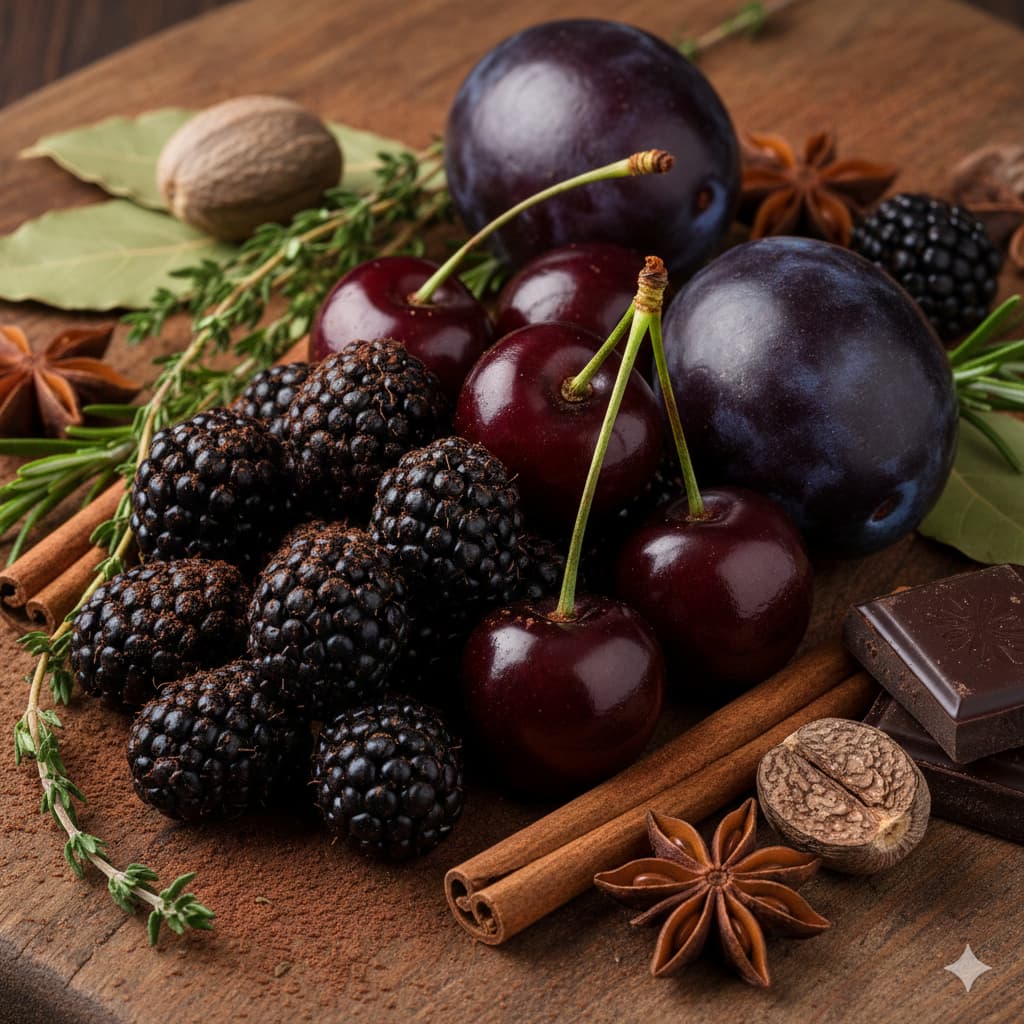
Primitivo wines typically show ripe black fruit such as blackberry, dark cherry and plum, alongside warm spice, dark chocolate and sometimes liquorice or a lightly earthy note. They are generally full-bodied, with moderate acidity and higher alcohol, which can give a warm, rounded finish.

Tasting overview:

  • Aroma: blackberry, dark cherry, plum, dried herbs, sweet spice, cocoa


  • Palate: rich dark fruit, liquorice, baking spice, sometimes tobacco or earthy notes
  • Acidity: moderate, sometimes medium in fresher styles
  • Tannin: medium to medium-high, usually ripe and rounded
  • Oak influence: can add vanilla, toast, mocha depending on barrel use

Compact tasting table:

Element

What to expect in Primitivo

Body

Medium-full to full

Fruit

Blackberry, dark cherry, plum

Secondary notes

Spice, cocoa, liquorice, dried herbs

Acidity

Moderate

Tannins

Medium to medium-high, ripe

Alcohol

Often higher (commonly 14–15%+, sometimes more)

Oak

Optional; can add vanilla and toast

Is Primitivo a good wine?

Yes. Primitivo is often a good wine choice for value and flavour, especially if you enjoy fuller-bodied reds with generous fruit. At the entry level, it can be immediately approachable and satisfying, while premium DOC (Denominazione di Origine Controllata) and DOCG (Denominazione di Origine Controllata e Garantita) examples can show more structure, balance and ageing potential.


Buying tips to match style and budget:

  • For a fresher, brighter style, look for producers emphasising classic dry red winemaking and earlier picking.
  • For a richer, softer style, you may see riper fruit, more oak, and sometimes appassimento-style cues (partially dried grapes) that can increase richness.
  • If you want a recognised regional benchmark, look for Primitivo di Manduria on the label, and consider seeking reputable producers and clearly stated origin.


Label cues worth knowing:

  • Primitivo di Manduria: a well-known regional indicator from Puglia
  • Riserva: may indicate additional ageing and a more structured style (varies by producer and region)
  • Oak notes on tasting descriptions: can signal a more plush, vanilla-and-toast profile

Where is Primitivo grown, and what styles exist?

Puglia is the dominant region for Primitivo, particularly Salento and Manduria. The grape also appears in Croatia (linked to its genetic history) and in California through the Zinfandel connection. Beyond that, there is limited but growing interest in other New World regions, including small plantings in Australia.

Regional style guide:

Region

Common labelling

Typical style traits

What to expect

Puglia (Salento, Manduria)

Primitivo, Primitivo di Manduria

Ripe, full-bodied, dark fruit, spice

Plush fruit, warmth, savoury lift

Puglia (more structured expressions)

DOC/DOCG cues depending on area

More structure, balance, sometimes oak

Firmer tannin, longer finish

California

Zinfandel

Often very ripe, bold, oak-forward in many styles

Jammy fruit, higher alcohol, sweeter oak possible

Croatia (historic link)

Local names vary

Usually medium-full, regional expressions

Dark fruit with regional nuance

Australia (limited plantings)

Primitivo (rare)

Warm-climate expression, ripe fruit

Generous fruit, approachable style

How should you serve and cellar Primitivo?

Serving tips:

  • Serve at cool room temperature, around 15–18°C.
  • For very ripe, high-alcohol examples, serving slightly cooler (around 14–16°C) can help the wine feel more balanced and refreshing.
  • Use a medium to large red wine glass to give the aromatics space.
  • Decant young, full-bodied styles for 20–45 minutes to soften tannins and integrate oak.

Cellaring guidelines:

  • Most Primitivo is best enjoyed within 3–8 years, when fruit and texture are at their best.
  • Premium Primitivo di Manduria wines, particularly more structured bottlings, can age 8–15+ years depending on balance, oak use, tannin and acidity.

How ageing changes the wine:

  • Fruit shifts from fresh plum and dark cherry towards dried fruit and fig notes
  • Oak-driven vanilla and toast can mellow into cocoa and savoury spice
  • Tannins feel softer and more integrated over time

What does Primitivo pair with?

Primitivo’s ripe fruit, spice and warm alcohol make it well suited to rich, savoury, charred and slow-cooked foods. Protein and fat help soften the tannins, while smoky flavours complement the wine’s dark fruit and spice.

Specific pairing ideas:

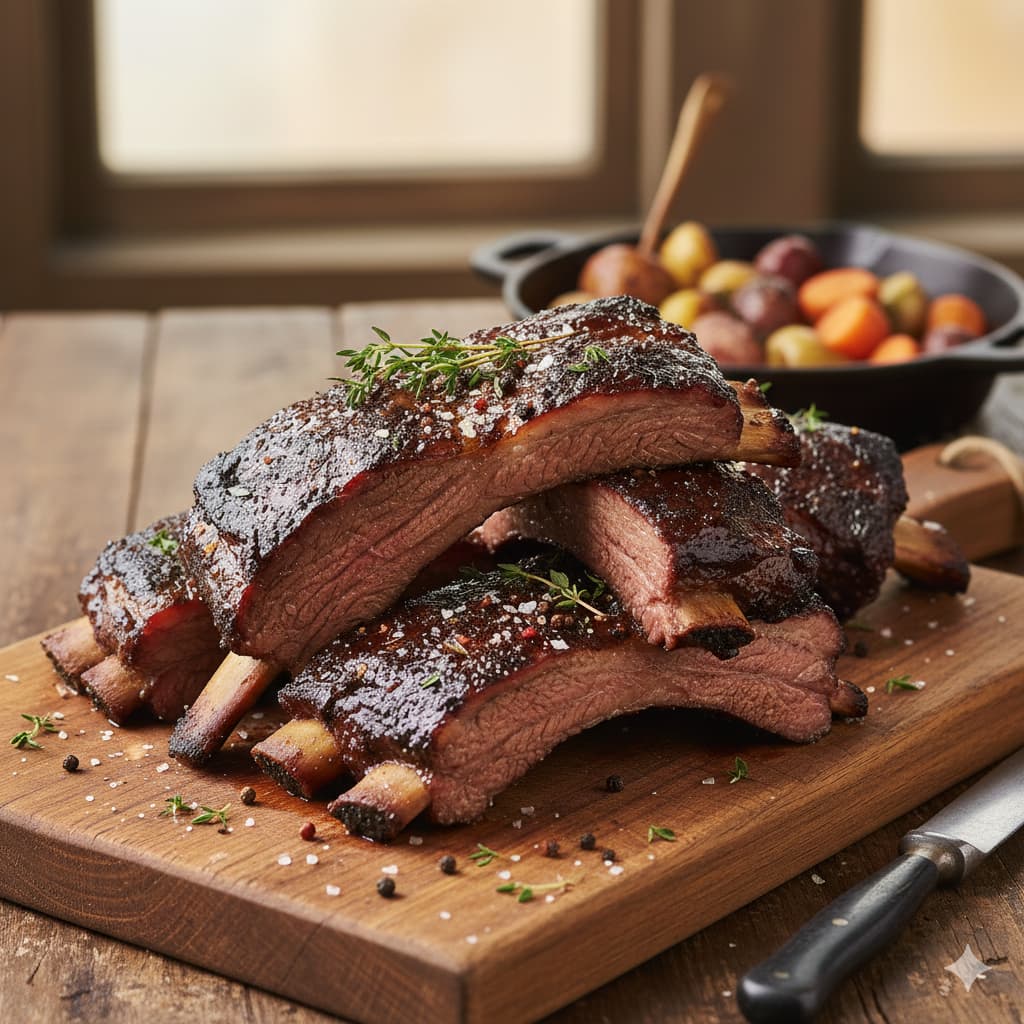
  • BBQ beef ribs
  • Charred sausages (including spicy Italian-style sausages)
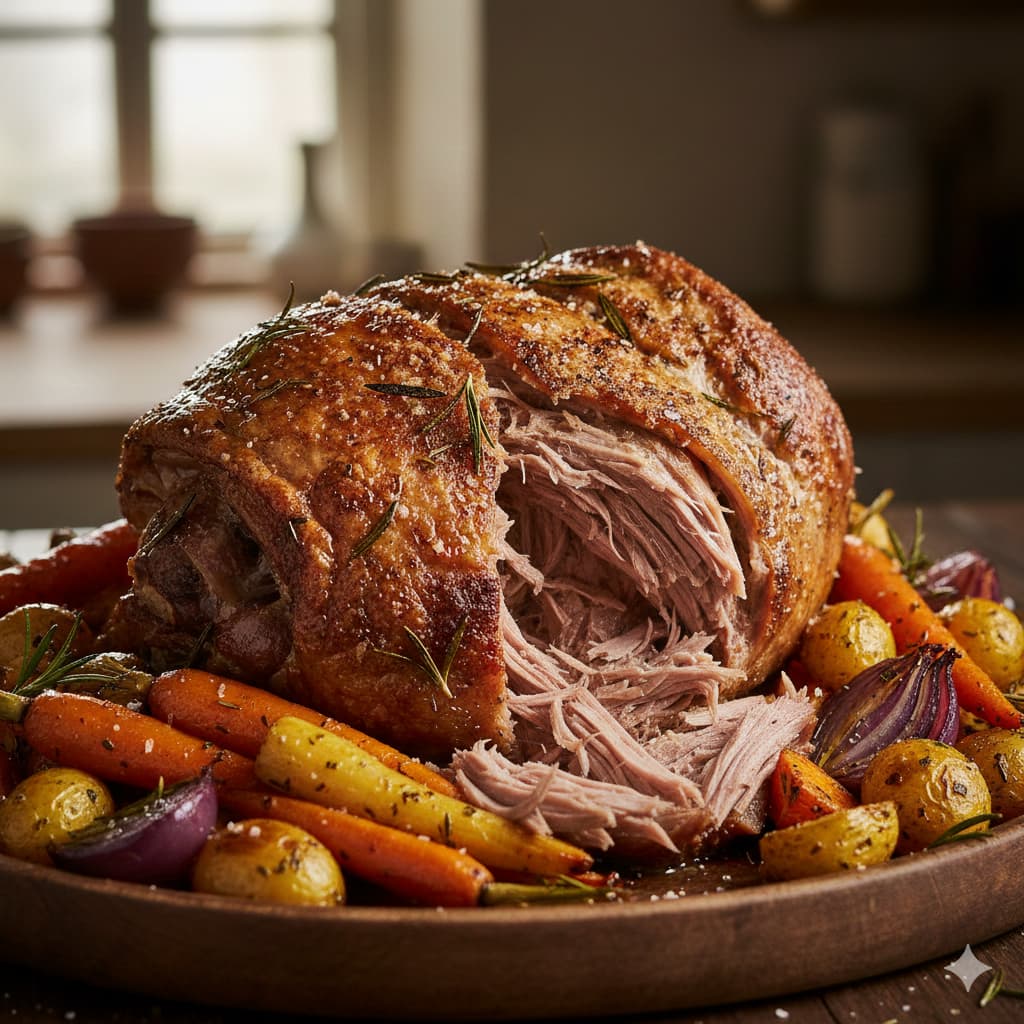
  • Slow-cooked lamb shoulder
  • Tomato-based pasta (ragù, baked pasta, lasagne)


  • Parmigiano Reggiano or other aged hard cheeses
  • Spicy stews (moderate heat works best with the wine’s richness)
  • Pizza with bold toppings (pepperoni, mushrooms, olives)
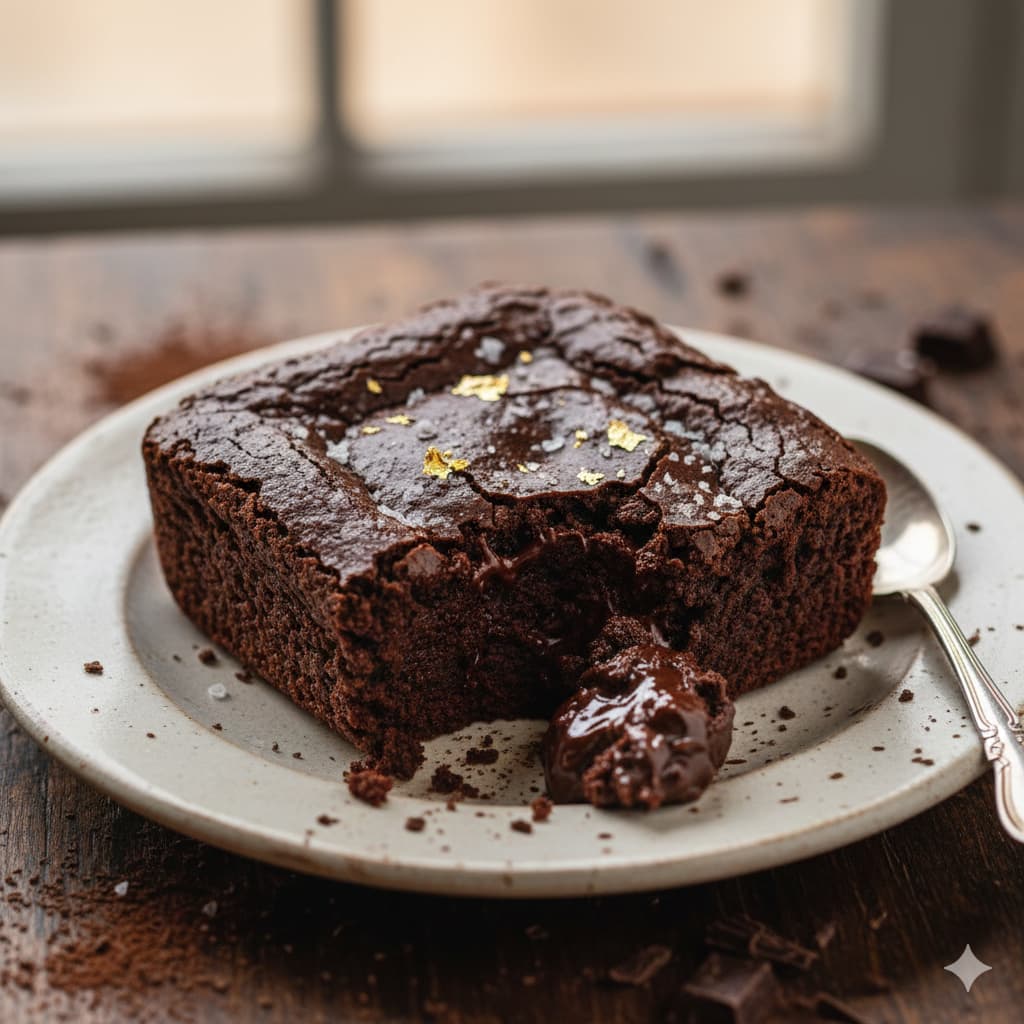
  • Dark chocolate desserts (best with sweeter-style or very ripe, plush examples)

Simple three-course menu pairing:

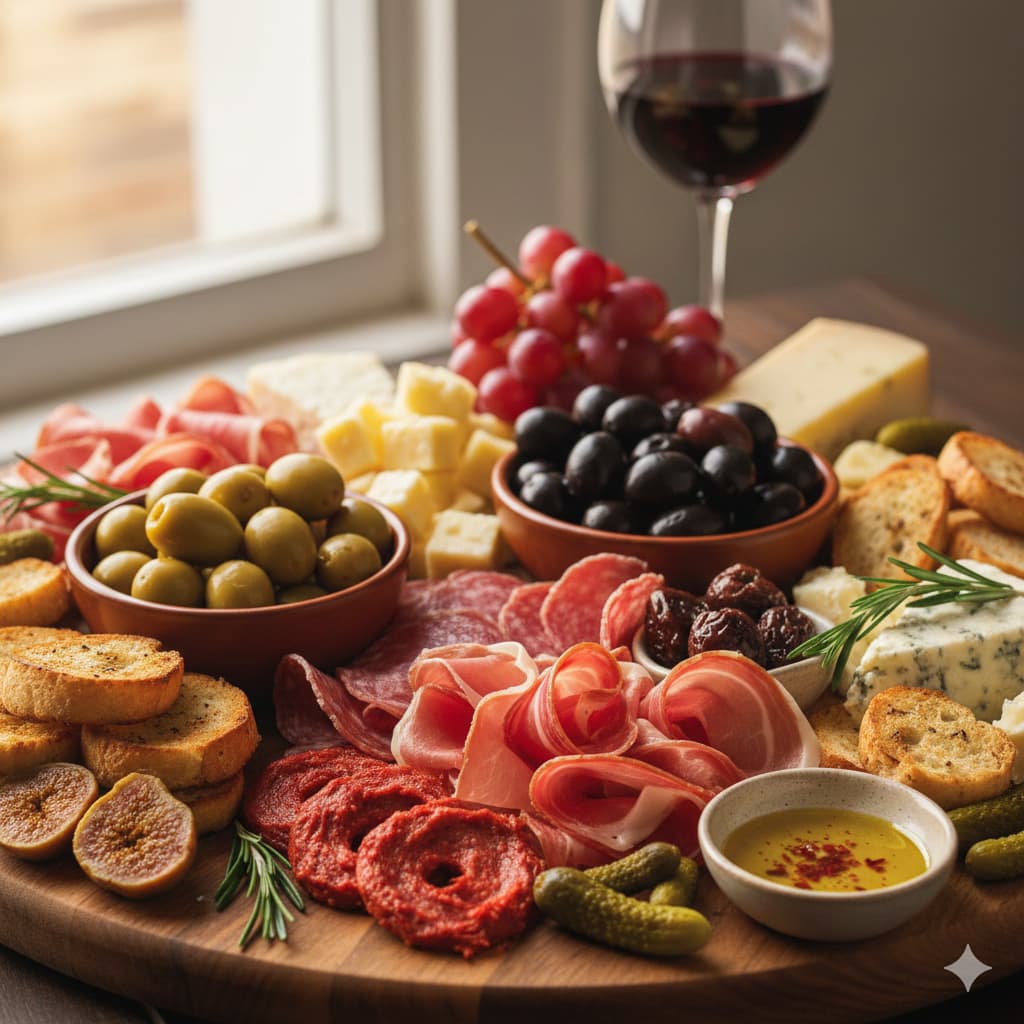
  • Entrée: antipasto plate with cured meats, olives and aged cheese
  • Main: slow-cooked lamb shoulder with rosemary and roasted vegetables
  • Dessert: dark chocolate brownie or flourless chocolate cake (choose a richer, riper style of Primitivo)

Buying guide: What to look for and price expectations

Primitivo can offer strong value across price points, especially if you like bold reds.

General price expectations in Australia:

  • Entry-level (under $20 AUD): fruit-forward, approachable, typically designed for early drinking
  • Mid-range ($20–$50 AUD): more structure, better fruit definition, and often more polished oak handling
    Premium ($50+ AUD): Primitivo di Manduria and single-vineyard style wines can show depth, balance and ageing potential

Practical cues when choosing a bottle:

  • Look for DOC or DOCG indicators where relevant, as these can signal more regulated origin and style expectations
  • Consider the vintage: hotter years can push riper flavours and higher alcohol, while slightly cooler years may feel fresher
  • Check for oak cues: “aged in oak” or tasting notes mentioning vanilla and toast usually indicate a richer, more oaked style
  • Producer reputation matters, especially for balance in high-alcohol styles

Placeholder bottle examples for editors to swap:

  • Example 1: Primitivo di Manduria DOC (producer and vintage placeholder)
  • Example 2: Puglia IGT Primitivo, unoaked or lightly oaked style (producer placeholder)
  • Example 3: Premium Primitivo Riserva from Manduria or a single-vineyard bottling (producer placeholder)

FAQs About Primitivo

Is Primitivo the same as Zinfandel?

Primitivo and Zinfandel are genetically related, but they are usually made in different regional styles. If you prefer savoury spice and dark fruit with an Italian feel, choose Primitivo from Puglia. If you like a bolder, riper style with more obvious oak influence, you may prefer many Californian Zinfandels.

Is Primitivo a white or red grape?

Primitivo is a red grape. It is used to make red wines that are usually full-bodied and fruit-driven, most commonly in dry styles

What does Primitivo taste like?

Primitivo typically tastes like:

  • Blackberry and dark cherry
  • Plum and warm spice
  • Dark chocolate or cocoa
  • Liquorice and dried herbs in some styles

The final profile can vary depending on oak use, ripeness at harvest, and the warmth of the growing season.

Is Primitivo high in alcohol?

Yes. Primitivo is often high in alcohol, commonly around 13–16% ABV or higher in very ripe styles. Its early ripening and tendency to build sugar quickly are key reasons for the higher alcohol potential.

How long can Primitivo age?

Most Primitivo drinks well within 3–8 years. Premium styles, particularly structured Primitivo di Manduria wines and well-balanced oak-aged examples, can improve over 8–15+ years depending on tannin, acidity and overall balance.

SUBSCRIBE TO DE BORTOLI

Sign up for offers, wine insights, food and more