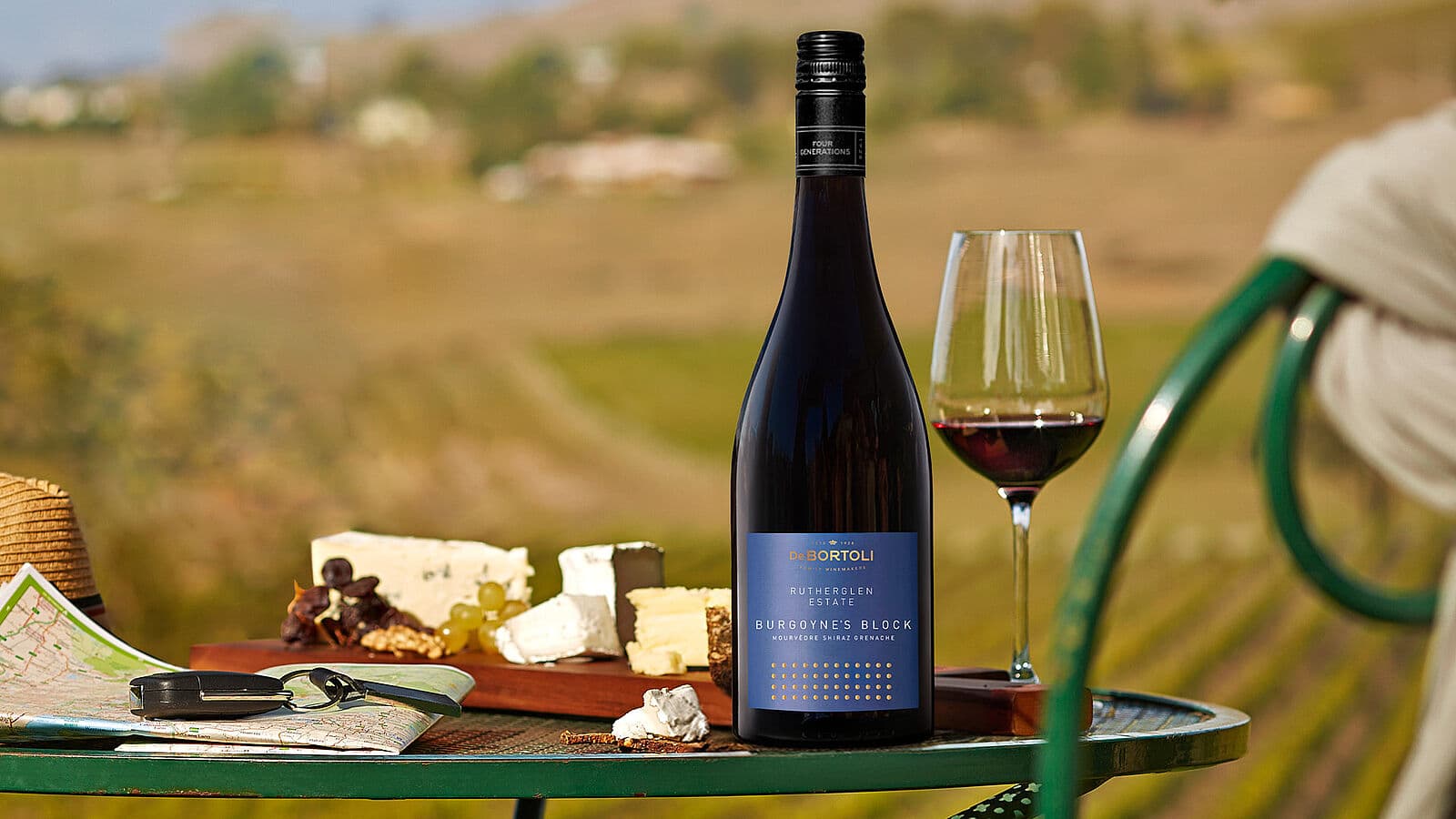
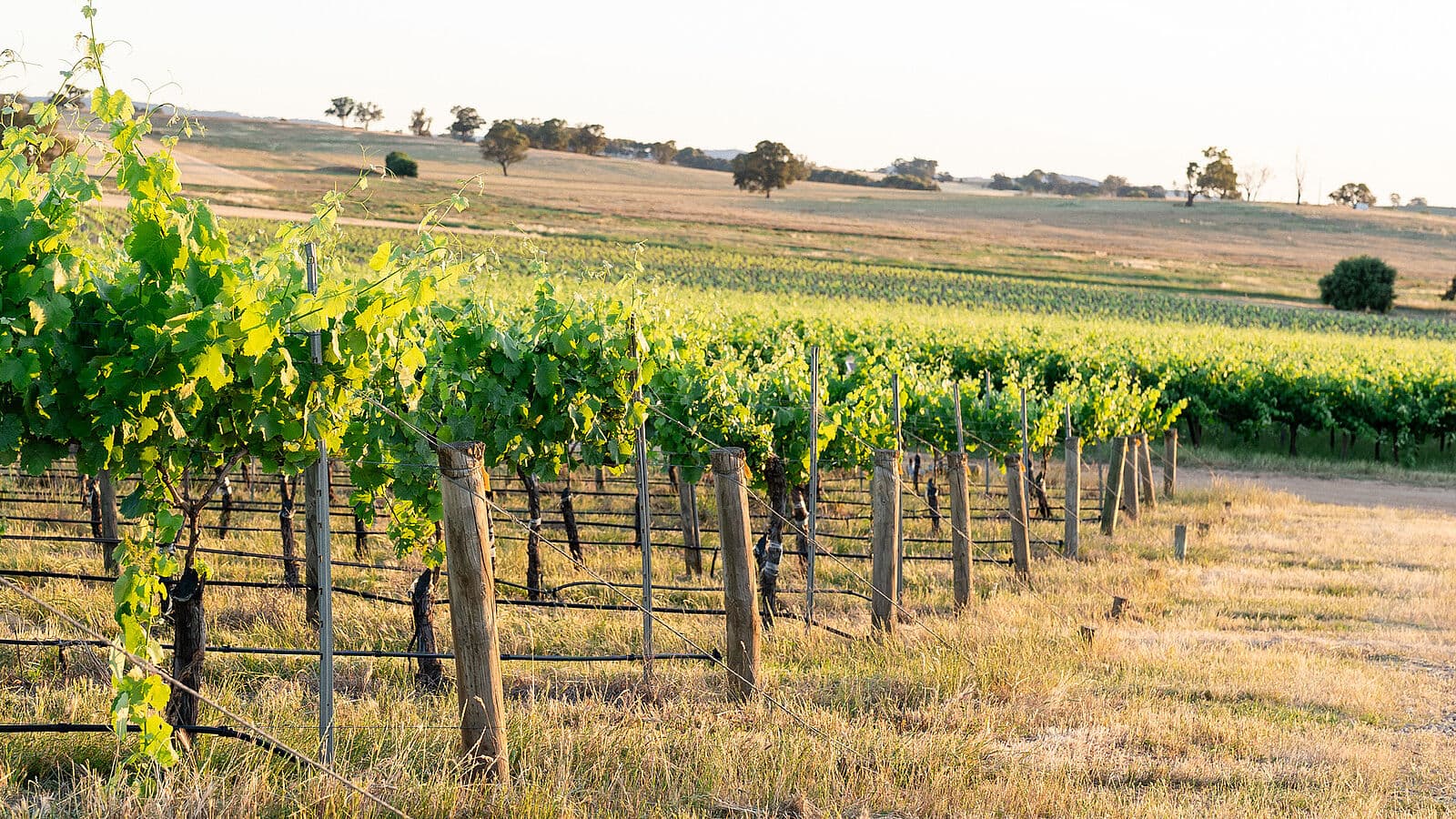
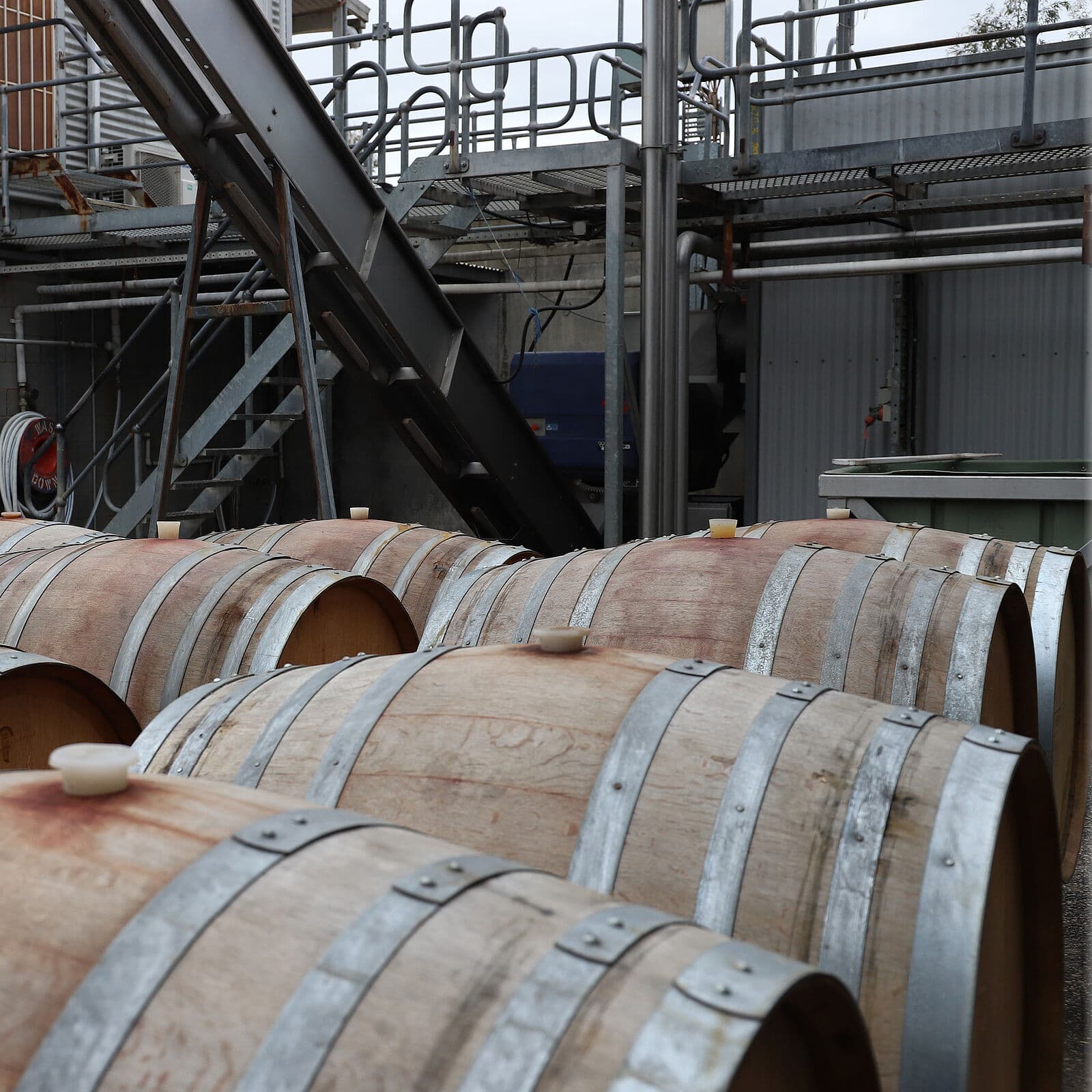
If you enjoy rich, savoury reds with depth and character, Mourvèdre might be your next favourite discovery! Mourvèdre is a red grape variety originally from Spain, where it’s known as Monastrell. It found its spiritual home in southern France, especially in Provence and the Rhône Valley, where it plays a vital role in blends such as GSM—a mix of Grenache, Shiraz (Syrah) and Mourvèdre.
Mourvèdre wines are typically deeply coloured, full-bodied and robust, with dark-fruit flavours, earthy complexity and firm tannins. It’s a grape that thrives in warm, sunny climates and produces wines that can age beautifully, developing savoury and leathery nuances over time.
In this guide, we’ll dive into the world of Mourvèdre wine, including how to pronounce Mourvèdre, its different names, taste profile, food pairings (including what to eat with Grenache Shiraz Mourvèdre), and where it’s grown, with a special look at its history in Australia.
French words can be tricky, and Mourvèdre is no exception. In English, the most common pronunciation is “moor-ved-druh” or “moor-ved-rah”. For reference, the French IPA pronunciation is /muʁ.vɛdʁ/ and in some English-speaking regions you might hear “moor-VED”.
In Spain, where the grape originates, it’s called Monastrell (pronounced mo-nah-strel).
No matter how you say it, the name refers to the same bold, flavour-packed grape that makes some of the world’s most distinctive red wines.
Like many old grape varieties, Mourvèdre goes by different names around the world. These synonyms reflect its long history and regional adaptations.
|
Country |
Name used |
Notes |
|
Spain |
Monastrell |
Its original name; still used widely in regions like Jumilla and Valencia |
|
Australia |
Mataro |
Traditional name, still used in Barossa and McLaren Vale |
|
USA |
Mataro |
Common in California and Washington |
|
France |
Mourvèdre |
The French name adopted internationally |
In Australia, both Mourvèdre and Mataro appear on wine labels, often interchangeably. While the names differ, the wines share the same dark fruit, spice and savoury charm that make the variety so distinctive.
Mourvèdre produces deep, powerful wines known for their dark-fruit flavours, earthy undertones, and firm tannins.
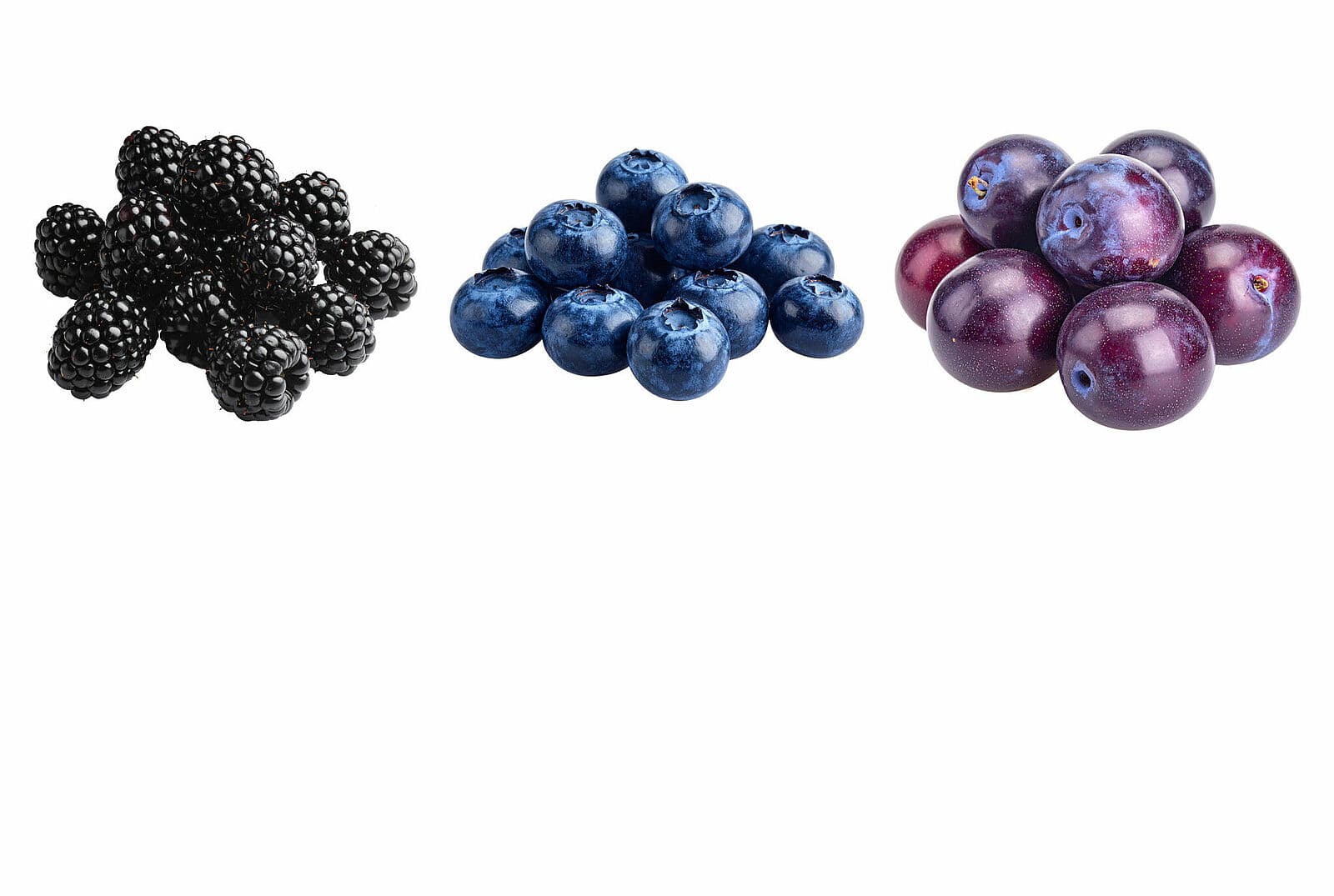
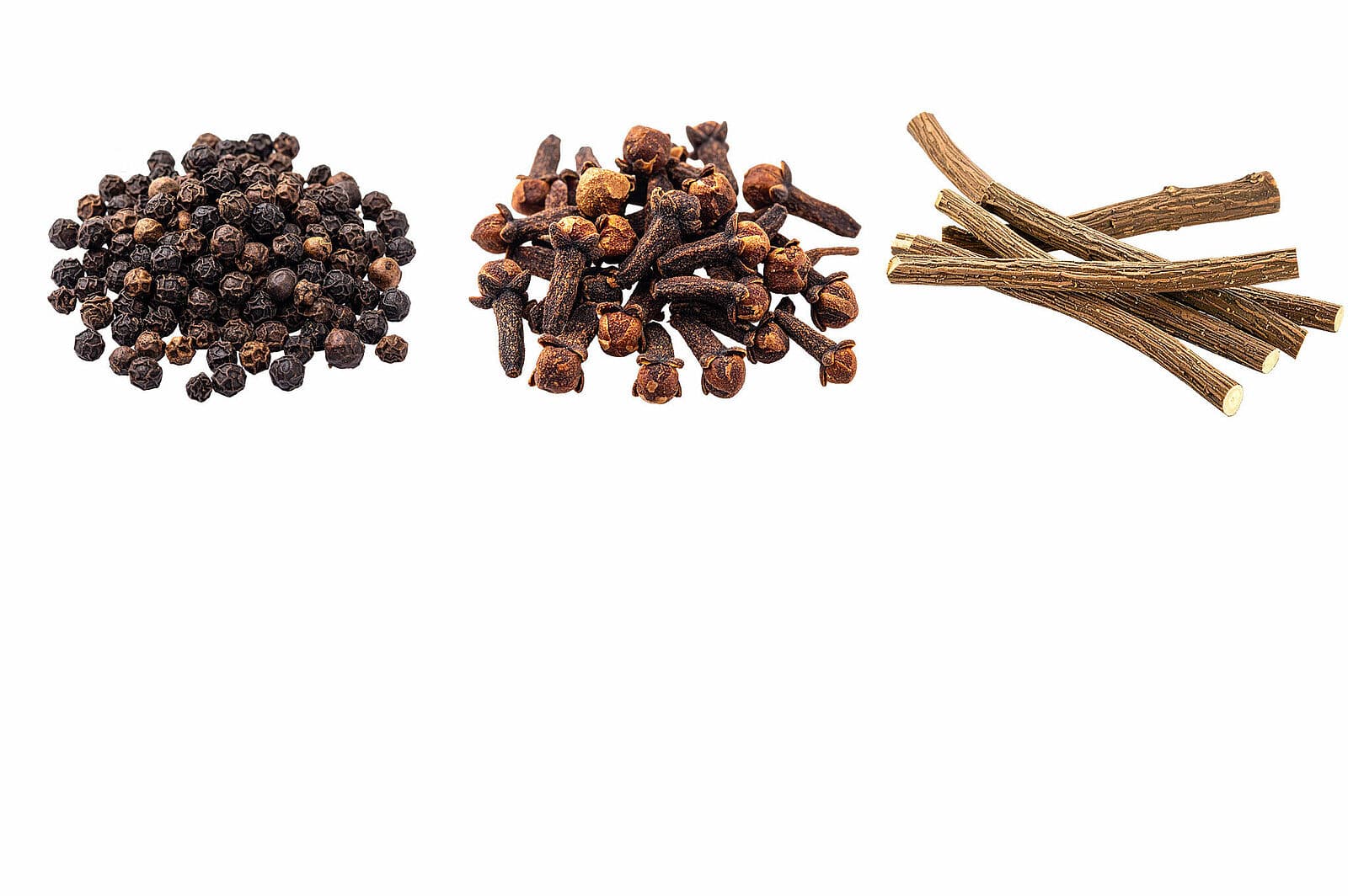
Typical flavours include:
In warm climates such as Spain and Australia, Mourvèdre tends to be richer and fruitier, showing ripe black fruit and sweet spice. In cooler French regions like Bandol, it’s more structured and savoury, with gamey complexity and minerality.
Tasting profile summary:
|
Characteristic |
Description |
|
Fruit |
Blackberry, plum, blueberry |
|
Spice |
Pepper, clove, liquorice |
|
Earthy notes |
Leather, game, truffle |
|
Tannins |
Firm to high |
|
Acidity |
Medium to high |
|
Body |
Full |
|
Ageing potential |
Excellent—5 to 20 years depending on style |
Mourvèdre’s layered character makes it both fascinating to taste and a perfect blending partner.
Curious about what to eat with Grenache Shiraz Mourvèdre blends? These wines combine Grenache’s juiciness, Shiraz’s spice, and Mourvèdre’s earthy depth, creating a bold, food-friendly style that suits hearty cuisines. Mourvèdre brings structure and savoury balance to GSM wines, helping them pair effortlessly with robust dishes.
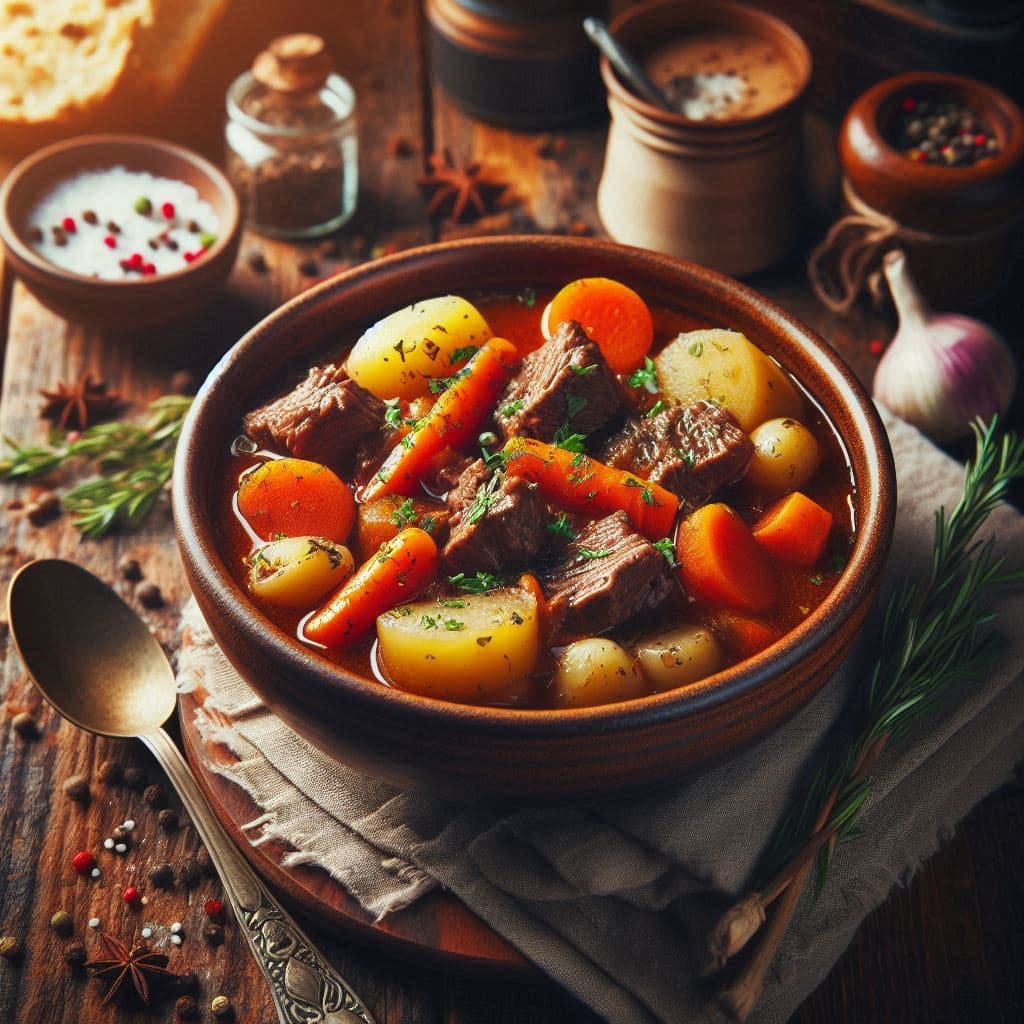
Top pairings for Mourvèdre and GSM wines:
GSM wines thrive alongside food that mirrors their richness and spice, making them a go-to choice for dinner parties and Sunday roasts alike.
Mourvèdre’s origins trace back to Spain, likely the Valencia or Catalonia regions, where it’s still known as Monastrell. From there, it spread to southern France, where it became a cornerstone of Rhône and Provençal wines.
Today, it’s planted across the globe in warm, sunny regions that allow it to ripen fully while retaining its earthy character.
|
Country/Region |
Wine Style or Notable Use |
|
Spain (Jumilla, Valencia, Yecla) |
Bold, ripe Monastrell wines with dark fruit and spice |
|
France (Rhône, Provence – Bandol) |
Structured, savoury, age-worthy Mourvèdre wines |
|
Australia (Barossa Valley, McLaren Vale, Heathcote) |
Often part of GSM blends; ripe and full-bodied |
|
USA (California, Washington) |
Fruity and spicy Mataro styles, often in Rhône-inspired blends |
|
South Africa |
Small but growing plantings producing savoury blends |
Mourvèdre’s adaptability allows it to express both fruit richness and earthy complexity, depending on where it’s grown.
In Australia, Mourvèdre—often labelled as mataro—had a long and respected history, especially in Barossa Valley and McLaren Vale. It arrived in the 19th century and became a valued blending grape thanks to its structure, colour and ability to age.
Today, Mourvèdre plays a key role in GSM blends, adding depth and savoury character to the vibrant fruit of Grenache and Shiraz. Some winemakers also produce single-varietal Mourvèdre wines, showcasing its dark fruit, spice and earthy charm.
Compared with French versions (more structured) and Spanish Monastrell (richer and fruitier), Australian Mourvèdre sits beautifully in between—ripe and generous, yet balanced and refined.
The most common English pronunciation is “moor-ved-druh” or “moor-ved-rah”. Phonetically, it’s /muːr-ˈvɛd-rə/. In Spain, the grape is called Monastrell (“mo-nah-strel”). Pronunciation varies by region, but all refer to the same variety.
Mourvèdre is a red grape variety that produces deeply coloured, full-bodied wines with rich dark fruit, spice and earthy, meaty tones. It’s a key player in GSM blends (Grenache, Shiraz, Mourvèdre) but also makes excellent single-varietal wines, particularly in Spain and France.
Mourvèdre is also known as Monastrell in Spain and Mataro in Australia and the US. These names reflect its long history and regional winemaking traditions, but all describe the same grape variety.
|
Name |
Where Used |
|
Monastrell |
Spain |
|
Mataro |
Australia, USA |
|
Mourvèdre |
France, global |
Mourvèdre’s bold tannins and savoury depth make it perfect with rich dishes:
Its warmth and spice also complement Mediterranean cuisine, from roasted vegetables to tomato-based stews.
Yes. Mourvèdre’s structure and tannin make it an excellent candidate for cellaring. In France’s Bandol, it can age for decades, gaining earthy, leathery complexity. Australian GSM blends often age gracefully for 5–15 years, softening while developing savoury depth. Everyday examples are enjoyable, while premium bottles reward patience.
Sign up for offers, wine insights, food and more