Table Of Contents

What Is Grenache Blanc?

De Bortoli Wines 12/12/2025

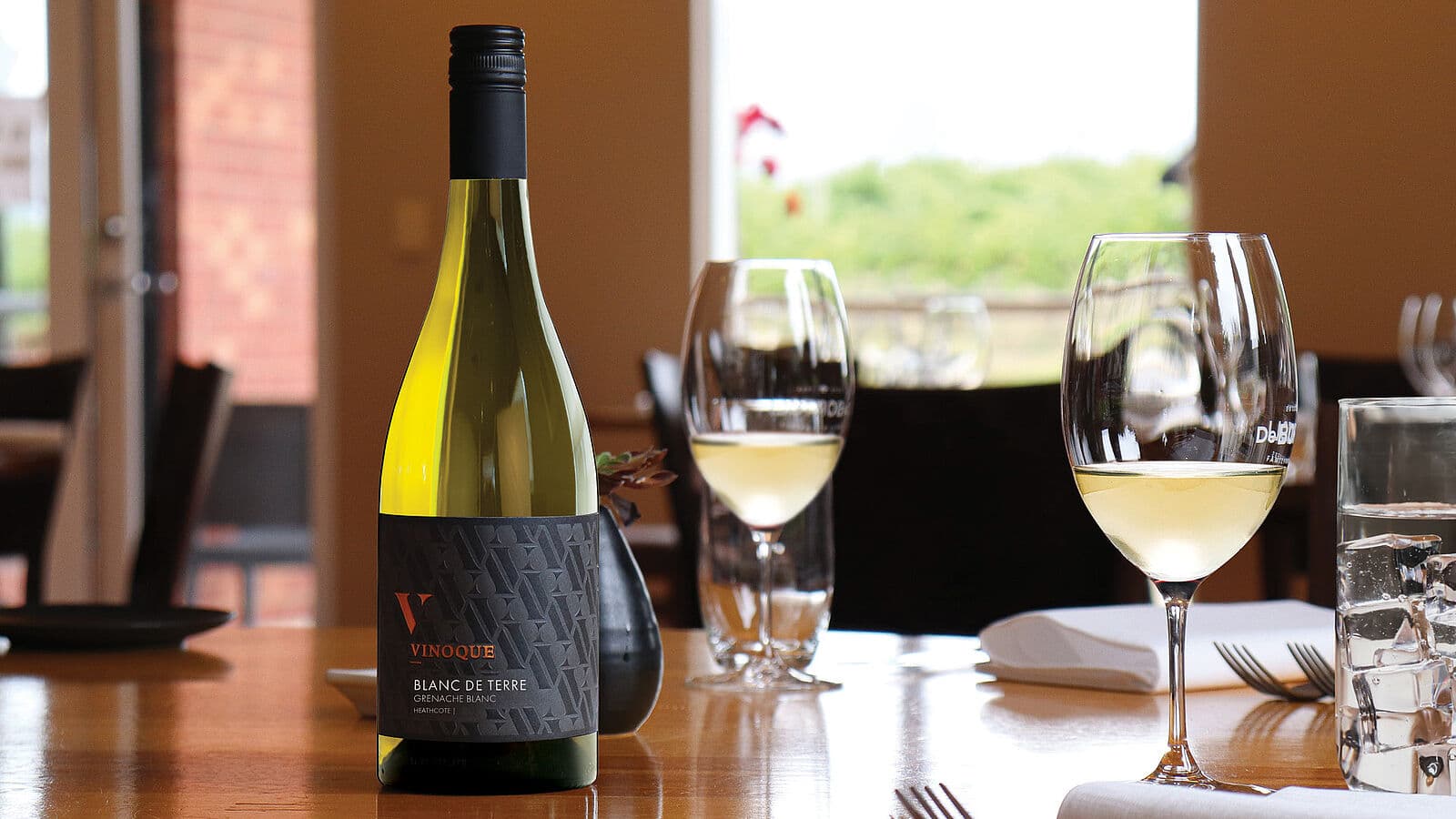
Grenache Blanc is a white-skinned mutation of the red Grenache (Garnacha) grape, originating in Mediterranean Spain and widely cultivated in southern France, particularly in the Rhône, Roussillon, and Languedoc regions. It produces medium- to full-bodied white wines with moderate acidity, bright aromatics, and a characteristic fruit-forward, floral style.

This versatile grape is typically vinified dry, though some off-dry or sweet styles exist depending on the region, ripeness at harvest, and winemaking technique. Its natural aromatic complexity, including pear, melon, citrus, and subtle floral notes, makes it an excellent choice for food pairing and for those seeking a wine with freshness yet substance. 

Grenache Blanc also offers ageing potential in certain styles, with oak-aged versions developing richer honeyed, nutty, and spicier notes. In this guide, we’ll cover taste, sweetness, serving advice, ideal cheese pairings, and the growing presence of Grenache Blanc in Australian vineyards, giving wine lovers all the tools to explore this elegant white variety.

Is Grenache Blanc Dry or Sweet?

Grenache Blanc is usually vinified dry, offering crisp, refreshing wines that are food-friendly and approachable. Some off-dry or sweet examples exist, particularly in warmer regions or when used for dessert wines. 

Dryness dominates because the grape retains good natural acidity, and winemakers often choose early harvesting and fermentation methods to preserve freshness and balance. 

Dryness Scale (1–9):

  • 1–3: Sweet
  • 4–6: Off-dry
  • 7–9: Dry (Grenache Blanc typically scores 7–8)

This makes Grenache Blanc extremely versatile, able to pair with a wide variety of dishes or to stand on its own for casual or celebratory occasions. 


What Does Grenache Blanc Taste Like?

Grenache Blanc offers a delicate yet layered flavour profile:

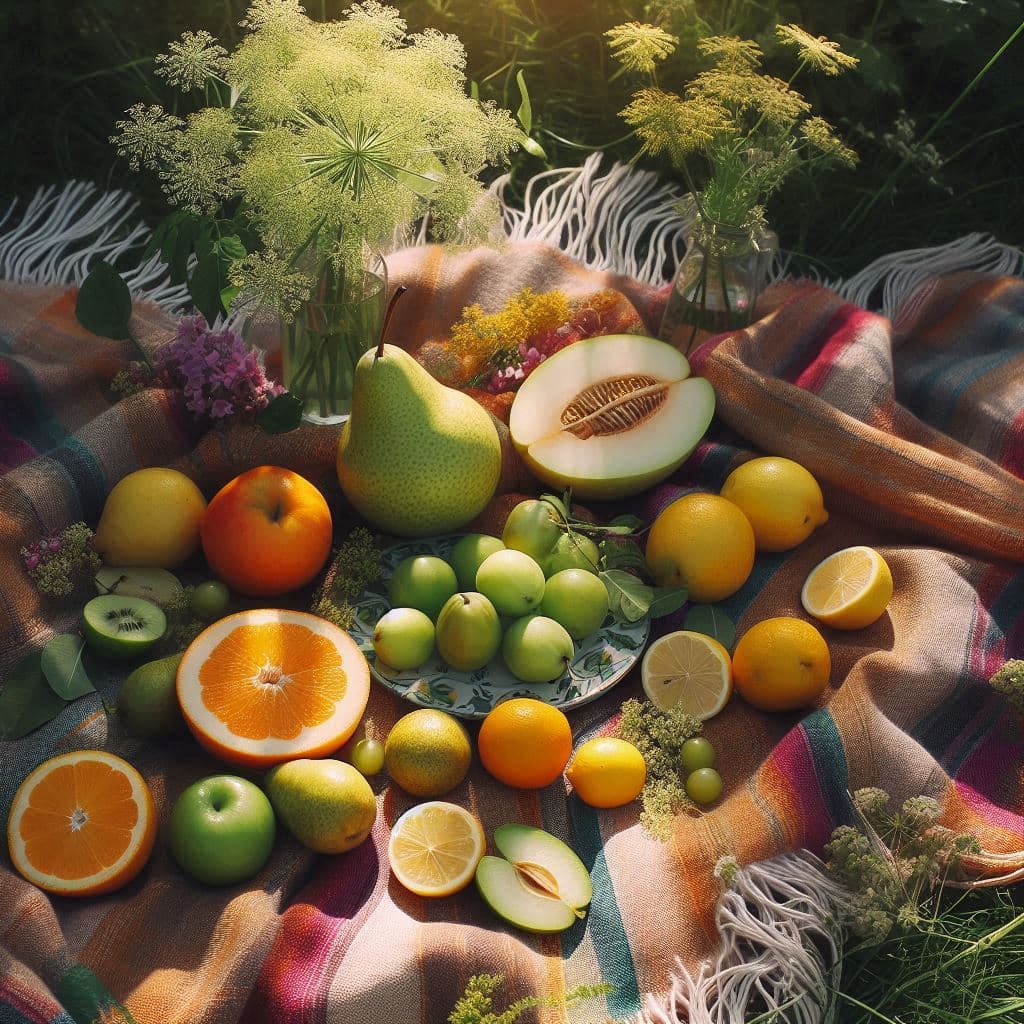
  • Fruit: Pear, green plum, melon, lemon zest
  • Herbal/floral: Fennel, anise, honeysuckle
  • Body & structure: Medium-full body, moderate acidity, ABV 13–15%


Winemaking influences taste significantly. Stainless steel fermentation emphasises crisp fruit and floral notes, ideal for lively, refreshing wines. Oak ageing, on the other hand, adds richness, creamy textures, subtle honeyed complexity, and light spice, making these wines excellent for pairing with richer dishes. 

Grenache Blanc also responds well to blending with other Mediterranean whites, often adding aromatic lift, body, and subtle spice. Its flavour intensity can vary by region and vintage, making it a fascinating grape for enthusiasts and casual drinkers alike.  

Where Is Grenache Blanc Grown?

Originally called ‘Garnacha Blanca’ in Spain, Grenache Blanc has a strong presence in southern France, particularly in the Rhône Valley, Roussillon, and Languedoc. It is also planted in New World regions such as California, Australia, and South Africa. 

Regional styles vary:

  • Spain: riper fruit, sometimes slightly richer, ideal for warmer-climate white blends
  • France: restrained, fresh, and minerally; often used in blends or varietal bottlings
  • Australia & California: aromatic, fruit-forward, crisp and food-friendly, often bottled as single-varietal wines. 

The grape thrives in warm climates, yet maintains freshness and acidity, making it highly adaptable. Its moderate alcohol levels and structured yet aromatic profile allow winemakers to craft wines ranging from easy-drinking white to age-worthy oaked versions.

What Cheese Pairs With Grenache Blanc?

Grenache Blanc’s medium-full body and moderate acidity make it an excellent partner for a variety of cheeses:

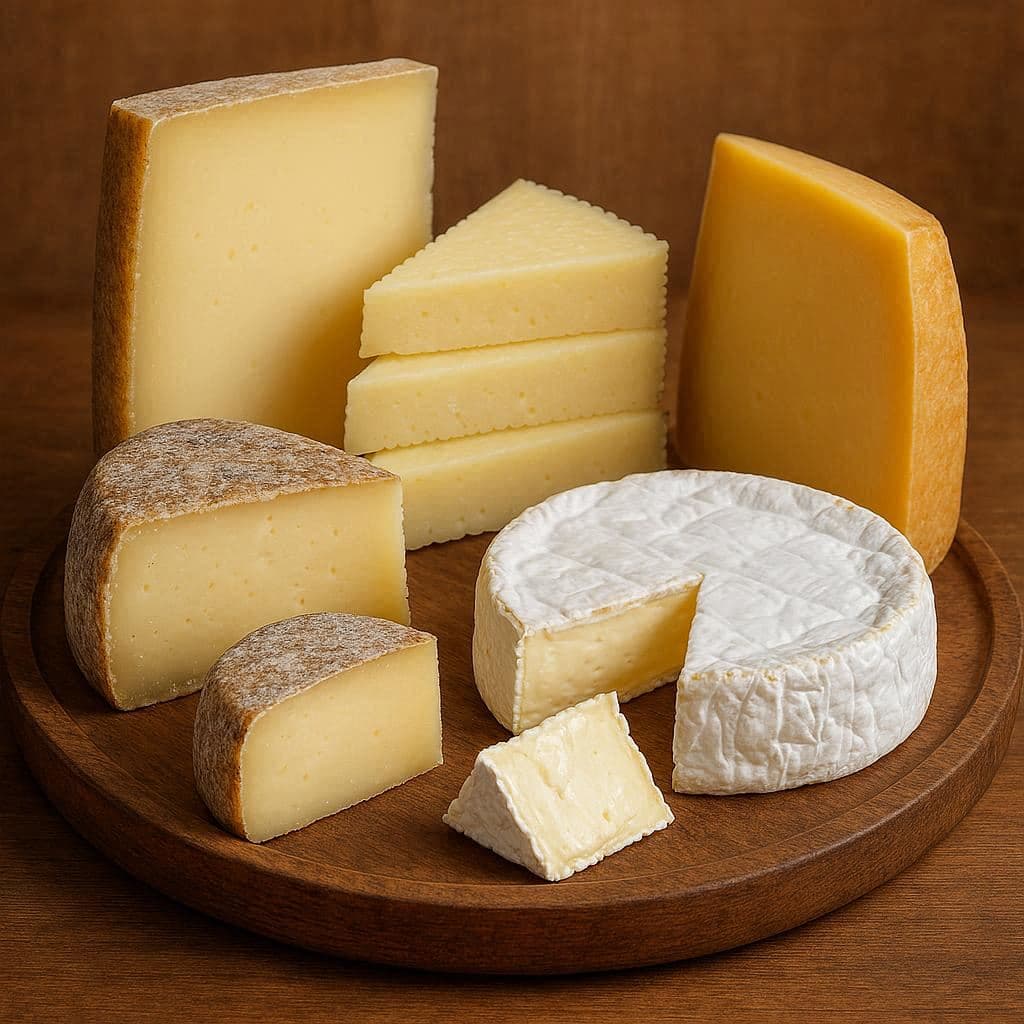
  • Manchego: Nutty richness balances the wine’s fruit and acidity
  • Comté: Aged depth mirrors the wine’s subtle complexity
  • Brie / Triple-cream: Soft texture complements crisp acidity
  • Young Gouda: Sweet nuttiness enhances pear and melon flavours
  • Tomme: Earthy notes highlight fennel and herbal undertones

In general, Mediterranean cheeses pair particularly well, reflecting the grape’s southern European heritage. Soft cheeses highlight Grenache Blanc’s refreshing qualities, while harder cheeses balance body and moderate alcohol, offering a versatile food-and-wine experience. 

How to Serve Grenache Blanc

Consider these factors when serving Grenache Blanc:

  • Temperature: 8–12°C to highlight freshness and aromatics
  • Glassware: Medium-sized white wine glass to focus on aromas
  • Decanting: Not usually necessary; oak-aged styles benefit from 10–15 minutes of air
  • Cellaring: Best consumed within 3–5 years for freshness, with structure or oak-aged versions suitable for 5–10 years, developing richer complexity

Serving Grenache Blanc slightly chilled enhances the fruit and herbal notes, making it perfect for summer meals, Mediterranean-inspired dishes, or casual entertaining. 

Grenache Blanc in Australia

Grenache Blanc has a growing presence in Australia, thriving in regions such as the Barossa Valley, McLaren Vale, and Riverina. Its warm-climate adaptability allows Australian winemakers to produce aromatic, fruit-driven whites with balanced acidity. 
Australian styles tend to be fresh, lively, and approachable,  often highlighting pear, melon, and subtle herbal notes, while some producers experiment with oak ageing to create richer, more complex wines. Grenache Blanc is increasingly bottled as a single-varietal wine, and is sometimes blended with other Mediterranean whites to produce balanced, aromatic blends, particularly suited to modern Australian cuisine. 

FAQs About Grenache Blanc

Is Grenache Blanc dry or sweet?

Grenache Blanc is typically vinified as a dry white wine, though some off-dry or sweet styles exist in warmer regions or when used for dessert wines. Dryness is standard due to the grape’s natural acidity and winemaking choices, such as early harvesting and stainless steel fermentation. Southern Rhône wines exemplify the dry style, while some Spanish examples lean slightly off-dry.

What does Grenache Blanc taste like?

So what does Grenache Blanc taste like? Expect pear, green plum, melon, lemon zest, with herbal notes like fennel and honeysuckle. Body is medium-full, acidity moderate, and ABV 13-15%. Oak ageing adds creaminess, richness, and subtle spice, while stainless steel fermentation keeps flavours crisp and aromatic. 

What cheese pairs best with Grenache Blanc?

  • Manchego: Nutty richness complements fruit
  • Comté: Adds depth to the wine’s profile
  • Brie / Triple-cream: Soft texture balances acidity
  • Young Gouda: Sweet nuttiness enhances fruit flavours


Tip: Mediterranean cheeses match Grenache Blanc’s origin and herbal notes.

Can Grenache Blanc age?

Most Grenache Blanc wines are best consumed within 3–5 years, while structured, oak-aged examples can age 5–10 years, developing honeyed, nutty, and richer flavour complexity.

Is Grenache Blanc the same as Grenache/Garnacha?

Grenache Blanc is a white mutation of red Grenache/Garnacha. While genetically related, it is vinified separately, producing distinct white wines with different flavour profiles, body, and serving applications compared to red Grenache. Both share Mediterranean origins but differ significantly in style. 

SUBSCRIBE TO DE BORTOLI

Sign up for offers, wine insights, food and more