Table Of Contents

What Is Gamay Wine?

De Bortoli Wines 12/12/2025

Gamay Wine is a light-bodied red wine grape most famously grown in the Beaujolais region of France, where it produces fruity, easy-drinking wines. Celebrated for bright red berry flavours, floral aromas, and lively acidity, Gamay wines are approachable, refreshing, and highly drinkable, making them a favourite among both casual wine drinkers and enthusiasts exploring lighter reds.

Gamay has gained popularity beyond France, with plantings now found in Switzerland, Oregon, New Zealand, and Australia, where winemakers are embracing its fresh, juicy style. Unlike heavier reds, Gamay is generally low in tannins, making it easy to enjoy on its own or paired with a variety of foods. Its versatility and charm have helped establish it as a wine for everyday drinking, seasonal celebrations, and special occasions alike. 

Gamay thrives in granite-rich soils, which contribute to its minerality and delicate floral notes, and it’s known for early ripening, which helps preserve its bright acidity and fruit-forward character.

In this guide, we’ll cover Gamay’s similarities to Pinot Noir, its flavour profile, food pairings, ageing potential, and global presence, helping both wine lovers and curious beginners understand why this red wine grape continues to win hearts worldwide.

Is Gamay Similar to Pinot Noir?

This is a common question, and it’s not difficult to understand why. Both Gamay and Pinot Noir are light-bodied red wines prized for their drinkability and freshness. However, Gamay is generally more fruit-forward and approachable, whereas Pinot Noir often shows greater complexity, earthiness, and ageing potential.

Similarities:

  • Light-bodied, low to medium tannins
  • Bright acidity and fresh red fruit flavours
  • Suitable for casual drinking or fine dining

Differences

  • Gamay is fruitier, less structured, and more affordable
  • Pinot Noir expresses terroir more deeply and can age longer
  • Pinot Noir tends to have higher complexity and subtle earthy tones

Trait

Gamay

Pinot Noir

Body

Light

Light to medium

Acidity

High

High

Tannin

Low

Medium

Flavour Profile

Red berries, floral

Red berries, earthy

Ageing Potential

Short to medium

Medium to long

Price

Usually affordable

Often higher


What Does Gamay Taste Like?

Gamay is known for its bright red fruit flavour and floral notes, making it highly aromatic and approachable. Typical tasting notes include:

  • Red berries: cherry, raspberry, strawberry
  • Floral: violet, peony
  • Unique aromas: banana, bubblegum (often from carbonic maceration in Beaujolais Nouveau)

The winemaking style greatly influences taste. Beaujolais Nouveau is light, fresh, and highly aromatic, intended for early drinking, whereas Cru Beaujolais offers more structure, depth, and subtle earthy or spicy undertones, suitable for short to medium ageing.

Tasting notes:

Feature

Gamay Profile

Body

Light

Acidity

High

Tannins

Low

Flavour

Red berries, floral

Special Notes

Banana (Nouveau), earthy (Cru)

What Does Gamay Pair With?

Gamay’s freshness, acidity, and low tannins make it extremely food-friendly. It pairs well with lighter meats, poultry, cheeses, and even slightly spicy cuisines. Consider these food pairings:

  • Charcuterie and cured meats
  • Roasted chicken or turkey
  • Pork dishes and ham
  • Grilled salmon or trout
  • Mushroom-based dishes
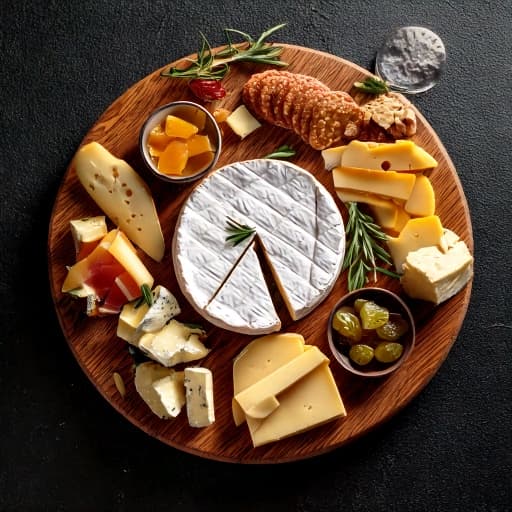
  • Soft cheese such as Brie or Camembert
  • Slightly spicy dishes, from Thai or Moroccan cuisines

Gamay’s excellent versatility has earned it a reputation as a holiday-friendly wine, particularly in the US, where it has become a popular choice for Thanksgiving meals.

Does Gamay Age Well?

Most Gamay is best enjoyed young, within one to three years of release, especially Beaujolais Nouveau, which is crafted for immediate drinking.

However, high-quality Cru Beaujolais—from vineyards like Morgon, Fleurie, or Moulin-à-Vent—can age 5–10 years or longer, developing earthy, savoury and nuanced fruit notes. These wines offer a more complex drinking experience and reward collectors willing to cellar them. 

An ageing overview:

  • Immediate drinking: Beaujolais Nouveau, lighter regional Beaujolais
  • Short to medium ageing: Cru Beaujolais for 5–10 years

Gamay Around the World

While Beaujolais, France, remains Gamay’s stronghold, the grape has spread significantly over generations, making its way to other regions worldwide, where slightly different styles are produced. 

Region

Style & Notes

Beaujolais, France

Fruity, aromatic, carbonic maceration; Nouveau and Cru

Loire Valley, France

Light, fresh reds, subtle floral notes

Switzerland

Elegant, fresh, often single-vineyard wines

Oregon, USA

Fruit-driven, juicy, approachable

New Zealand

Bright, lively reds, lighter style

Australia (emerging)

Cool-climate, fresh and aromatic


Regional differences reflect climate, soil, and winemaking philosophy. For instance, Beaujolais Nouveau is bright and playful, whereas Cru Beaujolais is structured and nuanced. New World regions often emphasise fresh fruit and approachability, making Gamay very accessible to a broader audience. 


FAQs About Gamay Wine

Is Gamay similar to Pinot Noir?

Both Gamay and Pinot Noir are light-bodied, fruit-forward reds with high drinkability. Gamay is typically more approachable, less complex, and more affordable, while Pinot Noir shows greater depth, subtle earthiness, and longer ageing potential. They share acidity and freshness, making both versatile for food pairing. 

What does Gamay taste like?

Gamay exhibits red berries (cherry, raspberry, strawberry), floral notes (violet), and sometimes banana from carbonic maceration. Beaujolais Nouveau is bright and juicy, while Cru Beaujolais is structured with earthy, spicy undertones.

What foods pair best with Gamay?

Gamay’s freshness makes it highly versatile when it comes to food pairing:

  • Charcuterie and cured meats
  • Roasted chicken or turkey
  • Pork dishes and ham
  • Grilled salmon or trout
  • Mushroom-based dishes
  • Soft cheese such as Brie or Camembert
  • Slightly spicy dishes, from Thai or Moroccan cuisines

Due to its versatility, Gamay has a well-earned reputation as a holiday-friendly wine, particularly in the US, where it is nowadays a popular choice for Thanksgiving meals.

Can Gamay be aged?

Most Gamay is best enjoyed within 1–3 years, particularly Beaujolais Nouveau. High-quality Cru Beaujolais can age 5–10 years, developing earthy and savoury complexity.

Where does Gamay come from?

Gamay originates in Beaujolais, France, where it remains most famous. It is also planted in the Loire Valley, Switzerland, Oregon, New Zealand, and emerging regions in Australia, with each region contributing unique stylistic nuances while maintaining the signature fresh, fruity character that links Gamay back to its homeland.

SUBSCRIBE TO DE BORTOLI

Sign up for offers, wine insights, food and more