Table Of Contents

What Is Malbec Wine?

De Bortoli Wines 04/05/2026

Malbec is a red grape variety that produces deeply coloured, richly flavoured wines with a plush texture and generous dark fruit character. It is best known today through Argentina, but its roots are firmly French, with Cahors in southwest France long regarded as its traditional home.

For many red wine drinkers, Malbec sits in a sweet spot. It is typically dry, medium to full-bodied, and smooth enough to enjoy on its own, yet structured enough to shine alongside food. When it is grown in warmer sites, Malbec can be beautifully ripe and velvety. In cooler conditions, it often shows more lift, floral aromatics, and savoury detail.

At De Bortoli, we have always believed good wine belongs at the table, shared with good food and good company. In this guide, we cover how to pronounce Malbec, what it tastes like, what else it is called, what to eat with it, where it is grown, what Australian Malbec looks like in the glass, and the key FAQs wine drinkers search for most.

How Do You Pronounce Malbec?

Malbec is pronounced “mal-bek”.

A simple phonetic guide is mal-BEK, with a clear “k” at the end. You will hear very similar pronunciation in Australia, France and Argentina, which makes this grape one of the easier names to order with confidence.

What Is Another Name for Malbec?

Malbec has a few historical synonyms, particularly in France.

In Cahors, you will often see Malbec referred to as Côt (sometimes written Cot Noir), and it has also been known as Auxerrois in some contexts.

If you are browsing a French wine list, these names can be useful cues. In most modern retail settings, “Malbec” is still the name you will see on the label, especially for New World styles.

What Does Malbec Taste Like?

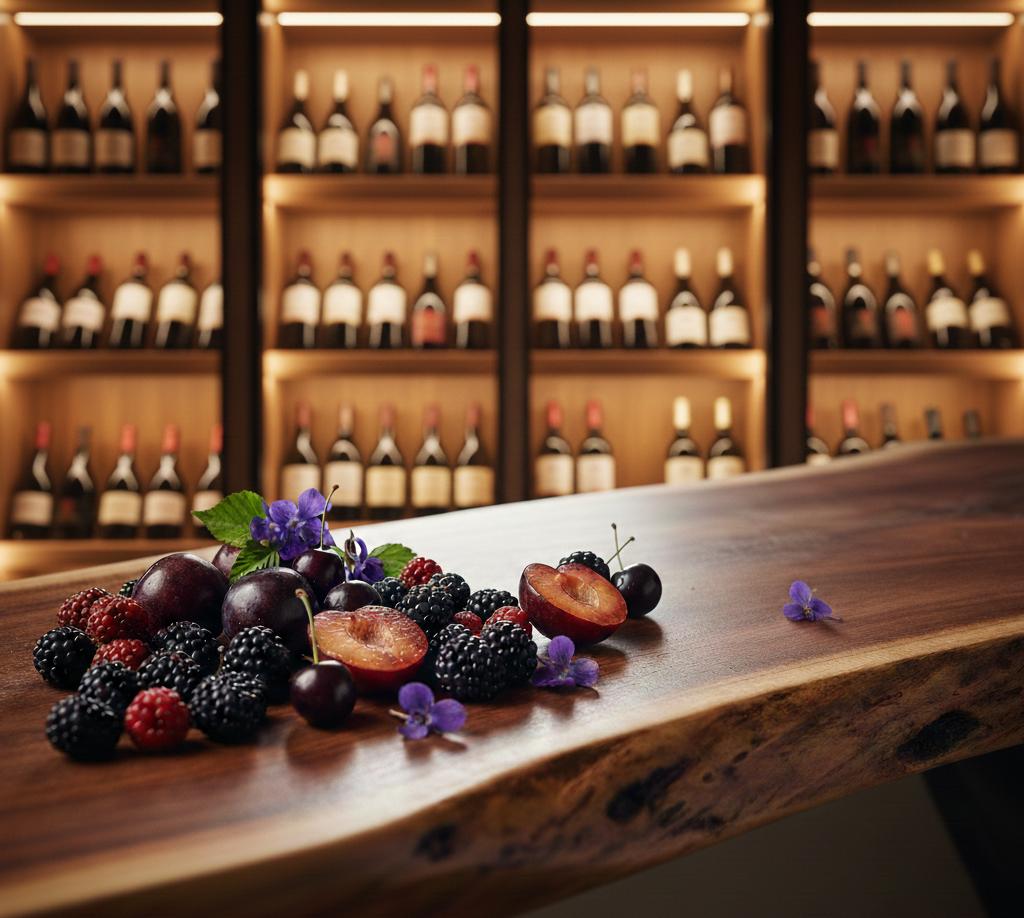
Malbec is loved for its bold flavour and approachable texture. In most styles, you can expect a core of dark fruits such as blackberry, plum and black cherry, often with a soft, velvety mid-palate. It commonly carries violet aromas and a gentle savoury edge that can feel like cocoa, coffee, or spice, especially when oak is involved.

Common flavour notes include:

  • Blackberry
  • Plum
  • Black cherry
  • Violet
  • Cocoa
  • Mocha
  • Sweet spice

French styles often show firmer tannins and savoury, earthy undertones. Argentinian examples typically lean toward ripe fruit and a rounded mouthfeel. Australian expressions often combine generous fruit with balanced structure.

Malbec Tasting Profile

Aroma

Palate

Body

Tannins

Acidity

Typical ABV

Common descriptors

Blackberry, plum, violet, subtle spice

Dark fruit, cocoa, mocha, gentle savoury notes

Medium to full

Moderate, often smooth

Medium

13.5–15%

Dry, fruit-forward, structured

How region shapes flavour

Where Malbec is grown makes a noticeable difference.

Cahors (France) often delivers a firmer, more structured Malbec with deeper savoury notes and a more traditional, earthy feel. Cahors has long been closely associated with Malbec as its emblematic grape.

Argentina is famous for a plusher, fruit-forward expression, particularly from high-altitude vineyards where sunny days build richness and cool nights help retain freshness. Malbec was introduced to Argentina in the 19th century and became a defining variety, especially in Mendoza.

Australia can offer a confident middle ground, ripe fruit and generous texture, supported by balance and savoury structure depending on region and winemaking approach.

What to Eat With Malbec Wine?

Malbec is one of the most food-friendly red wines to keep on hand. Its fruit depth and tannin structure make it particularly well-suited to dishes with caramelisation, smoke, or slow-cooked richness.

Here are pairings that consistently work well:

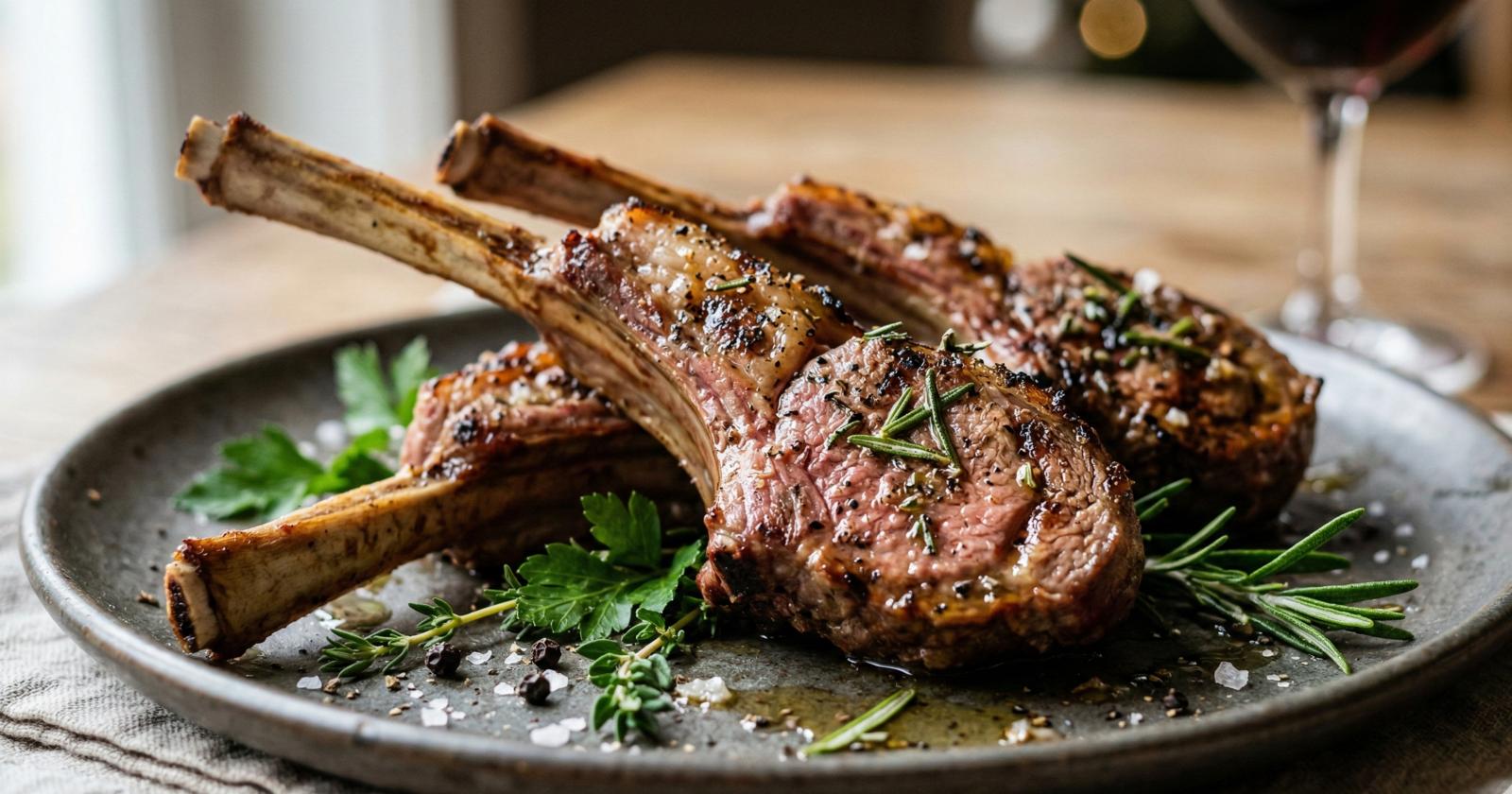
  • Grilled steak or lamb cutlets, where protein softens tannin and brings out Malbec’s dark fruit
  • Barbecue ribs or brisket, pairing smoky char with cocoa and spice notes
  • Slow-braised beef cheeks or ragù, matching richness with richness
  • Mushroom dishes, especially with roast mushrooms, lentils, or truffle oil
  • Hard, aged cheeses, such as mature cheddar or aged gouda
  • Spiced sausages and charcuterie, where Malbec’s fruit profile balances savoury salt

If you are planning a menu, Malbec is a strong “centre-of-the-table” red. It suits relaxed gatherings just as easily as a more considered dinner, because it has presence without feeling overly severe.

Where Is Malbec Grown?

Malbec originated in southwest France and remains closely associated with Cahors. It later became Argentina’s flagship red grape after being introduced in the 19th century.

Today, it is grown in several key regions.

Regional Style Table

Region

Typical Style

What to Expect

Cahors, France

Structured, tannic

Dark fruit, earthy, firm finish

Mendoza, Argentina

Fruit-forward, plush

Ripe blackberry, smooth tannins

Australia

Balanced, generous

Ripe fruit with structure and freshness

USA

Bold and expressive

Dark fruit, oak influence

Climate plays a defining role. Warmer regions emphasise fruit richness, while cooler sites bring more structure and lift.e it is used both as a varietal wine and in blends to add colour, fruit richness and texture.

Malbec in Australia

Australian Malbec is still a little under-the-radar compared to Shiraz and Cabernet Sauvignon, but it is well worth knowing. In the right sites, Malbec can deliver generous fruit, supple tannins and a savoury finish that feels immediately at home with Australian cooking.

A simple rule is this: warm days build flavour and body, cooler nights help keep shape and freshness. That combination is one reason Malbec can work so well in Australian regions that offer diurnal temperature shifts. You will often see Australian Malbec positioned as a modern, approachable red, fruit-forward enough for weeknight drinking, with enough structure for the table.

If you enjoy De Bortoli reds for their sense of place and their food-friendly balance, Malbec is a natural grape to explore alongside them. De Bortoli’s story is built around family, hospitality, and the idea that good wine is part of the good life, best shared.


How Should You Serve and Store Malbec?

Malbec shows at its best when served slightly below room temperature, ideally around 16–18°C. If the bottle has been sitting in a warm room, placing it in the fridge for 15–20 minutes before serving can help bring it into balance.

A generous red wine glass allows the aromas to open and the fruit to express itself fully. Younger, fruit-forward Malbec can be poured and enjoyed straight away. More structured or oak-influenced styles benefit from 30 to 60 minutes of air, either in a decanter or simply in the glass.

When it comes to cellaring, most modern Malbec is best enjoyed within 3–5 years of vintage while its fruit remains vibrant and expressive. More concentrated, premium examples can develop beautifully over time, gaining savoury complexity, softer tannins, and layered depth.

Once opened, re-cork and refrigerate the bottle. Most Malbec will show well for 2–3 days, gradually softening as it takes on air.

What Is the Best Malbec?

The best Malbec depends on what you enjoy in a red wine and when you plan to drink it.

If you prefer plush, fruit-forward wines with smooth tannins, look for Malbec from warmer regions or modern Australian styles that emphasise generosity and balance. These are ideal  for relaxed dinners and immediate enjoyment.

If you enjoy structure and savoury complexity, seek out Malbec with firmer tannins or subtle oak influence. These styles often reward time in the glass and, in some cases, time in the cellar.

A simple buying guide:

  • For weeknight drinking: Choose a recent vintage with moderate alcohol and a focus on fruit purity.
  • For entertaining and food pairing: Look for medium to full-bodied Malbec with balanced oak and refined tannins.
  • For cellaring: Select more concentrated examples with structure and ageing potential.

Malbec consistently offers excellent value because it delivers depth and character without always carrying the price tag of more famous varieties. For many red wine drinkers, it represents one of the most rewarding styles to explore.

If you enjoy Cabernet Sauvignon for its structure or Shiraz for its richness, Malbec sits comfortably between the two, offering fruit generosity with balanced restraint.


FAQs About Malbec Wine

Is a Malbec wine sweet or dry?

Malbec is typically dry. It may taste ripe and fruit-forward, but that flavour does not usually come from residual sugar. Most Malbec is fermented to dryness and finishes with structure, not sweetness.

Is Malbec a dessert wine?

No. Malbec is a dry red wine designed for savoury food pairings. Dessert wines are made with higher residual sugar and are stylistically different.

Is Malbec a dry red wine?

Yes. Malbec is widely considered a dry red wine, known for dark fruit, plush texture, and medium to full body.

Is Malbec a heavy wine?

Malbec is generally medium to full-bodied. It can feel rich, especially in riper styles, but it is often smoother and less tannic than Cabernet Sauvignon, which can make it feel more approachable.

How many calories are in a glass of Malbec wine?

A 150 ml glass of dry red wine is often around 120 to 130 calories, depending on alcohol level.

SUBSCRIBE TO DE BORTOLI

Sign up for offers, wine insights, food and more