Table Of Contents

What Is Soave Wine?

De Bortoli Wines 11/08/2026

Soave is one of Italy's most elegant and enduring white wines, a dry, aromatic white from the sun-drenched hills of the Veneto, Italy, crafted primarily from the ancient Garganega grape. Light-bodied and refreshingly crisp, Soave has been winning over wine drinkers for decades with its gentle floral perfume, stone fruit character, and signature almond finish. If you love Italian white wine, Soave deserves a place on your table. In this guide, we cover everything you need to know, from how to pronounce it to how to enjoy it, so you can pour with confidence. Browse our full Italian white wine collection to explore more styles we love.

How Do You Pronounce Soave?

Soave is pronounced SWAH-vay.

It is a two-syllable word with the emphasis on the first syllable, SWAH-vay, reflecting the lyrical quality of the Italian language. The name comes from the medieval walled town of Soave in northeastern Italy, and once you know how to say it, it is one of the more satisfying wine names to order at a restaurant.

A simple phonetic guide: SWAH (like "suave" without the u) + vay (rhymes with "day").

What Grape Is Soave Made From?

Soave is made primarily from Garganega, one of Italy's oldest and most prized white grape varieties.

Under DOC regulations, Soave must contain a minimum of 70% Garganega, with the remainder of the blend typically coming from Trebbiano di Soave or, in some cases, Chardonnay. Garganega is responsible for Soave's distinctive character: soft floral aromas, bright natural acidity, and the characteristic almond note that lingers on the finish.

Garganega thrives on the volcanic and limestone-rich hillside soils of the Soave region, where the combination of warm days and cool nights allows the grapes to develop full flavour while retaining the freshness that defines the style.

Is Soave Wine Sweet or Dry?

Soave is a dry white wine.

Despite its light, fragrant character and gentle stone fruit notes, Soave is fermented to dryness. What can sometimes read as sweetness is actually the natural ripeness of the Garganega grape, a richness of flavour rather than residual sugar. On the palate, Soave is clean, crisp, and refreshing, with a balanced acidity that makes it feel lively rather than heavy.

The one notable exception is Recioto di Soave DOCG, a beautifully sweet dessert wine made by partially drying the grapes before fermentation. But standard Soave, the wine you are most likely to encounter, is dry, elegant, and food-friendly.

Style

Sweetness

Notes

Soave DOC

Dry

Crisp, fresh, approachable. Drink young.

Soave Classico DOC

Dry

Greater complexity, mineral depth, some ageing potential

Soave Superiore DOCG

Dry

Highest quality, hillside vineyards, structured and layered

Recioto di Soave DOCG

Sweet

Dessert style, made from dried grapes

What Does Soave Wine Taste Like?

Soave is light to medium-bodied with lively acidity and a profile that is floral, fruity, and gently savoury. It is an effortlessly drinkable wine, elegant rather than bold.

Tasting Profile

Aromas

Palate

Body

Acidity

Finish

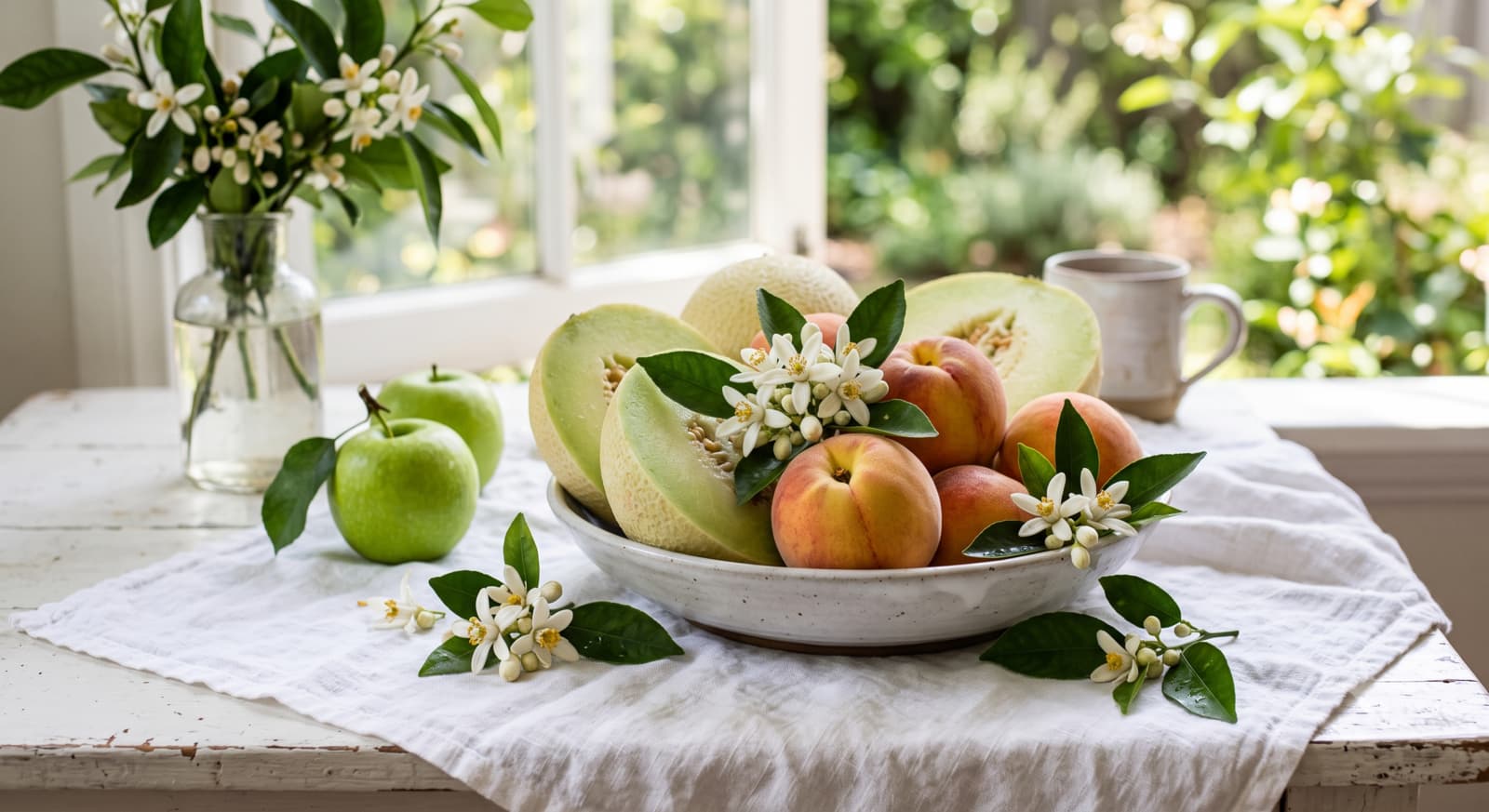
White flowers, peach, honeydew,
citrus blossom

Lemon, pear, honeydew,
green apple

Light to medium

Bright and refreshing

Characteristic bitter almond note


The finish is where Soave often surprises. A subtle almond or almond blossom note that is uniquely Garganega lingers on the palate. It is not a wine about power or weight; it is about freshness, detail, and the kind of clean, mineral quality that makes it exceptional with food.

Soave Classico, sourced from the original hillside vineyards, tends to offer greater complexity: more texture on the palate, a touch more minerality, and a longer finish. If you are exploring Soave for the first time, Classico is a wonderful starting point.

Where Does Soave Wine Come From?

Soave comes from the Veneto region of northeastern Italy, centred on the small, stunning medieval town of Soave, just east of Verona.

The DOC was established in 1968 and covers a broad production zone, but the finest wines typically come from the Soave Classico zone, the original historic heartland between the towns of Soave and Monteforte d'Alpone. Here, hillside vineyards of volcanic and limestone soils produce wines with markedly more complexity and character than those grown on the flatter valley floors.

The region's climate is warm and Mediterranean, tempered by cool air from the nearby Alps. This balance of warmth and freshness is key to producing Soave with ripe aromatics and the acidity that gives it its signature vibrancy.

What Food Pairs Well with Soave?

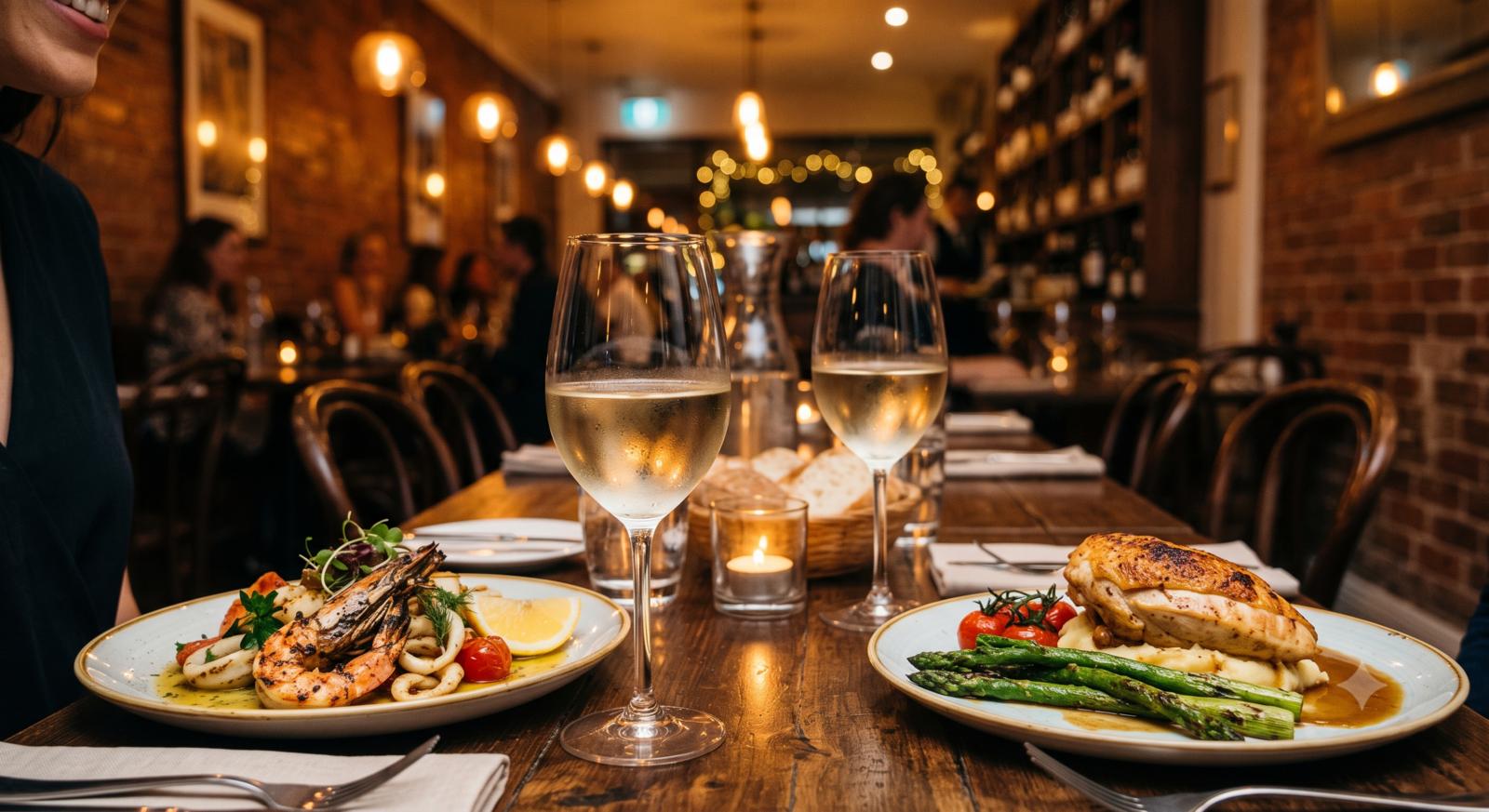
Soave is one of the most food-friendly whites you can pour. Its bright acidity, gentle body, and clean finish make it a natural match for seafood, light pasta, and Mediterranean-inspired dishes.

Soave Food Pairing Guide

Food

Why It Works

Grilled prawns and calamari

Acidity cuts through the richness of seafood beautifully

Risotto bianco or seafood risotto

Soave's texture mirrors the creaminess of the dish

Light pasta with clams or lemon butter

A classic Italian pairing, elegant and effortless

Roast chicken or veal

Body and structure hold up to delicate white meat

Soft cheese and antipasto

Floral notes and gentle fruit complement mild, creamy cheeses

Asparagus and spring vegetables

Soave's bright acidity enhances green, earthy flavours

Sushi and sashimi

Crisp, clean, and mineral. An unexpected but excellent match.

At De Bortoli, we believe the best wine is the one that brings the table to life. Soave is one of those wines: versatile, elegant, and made for sharing.

How Should You Serve and Store Soave?

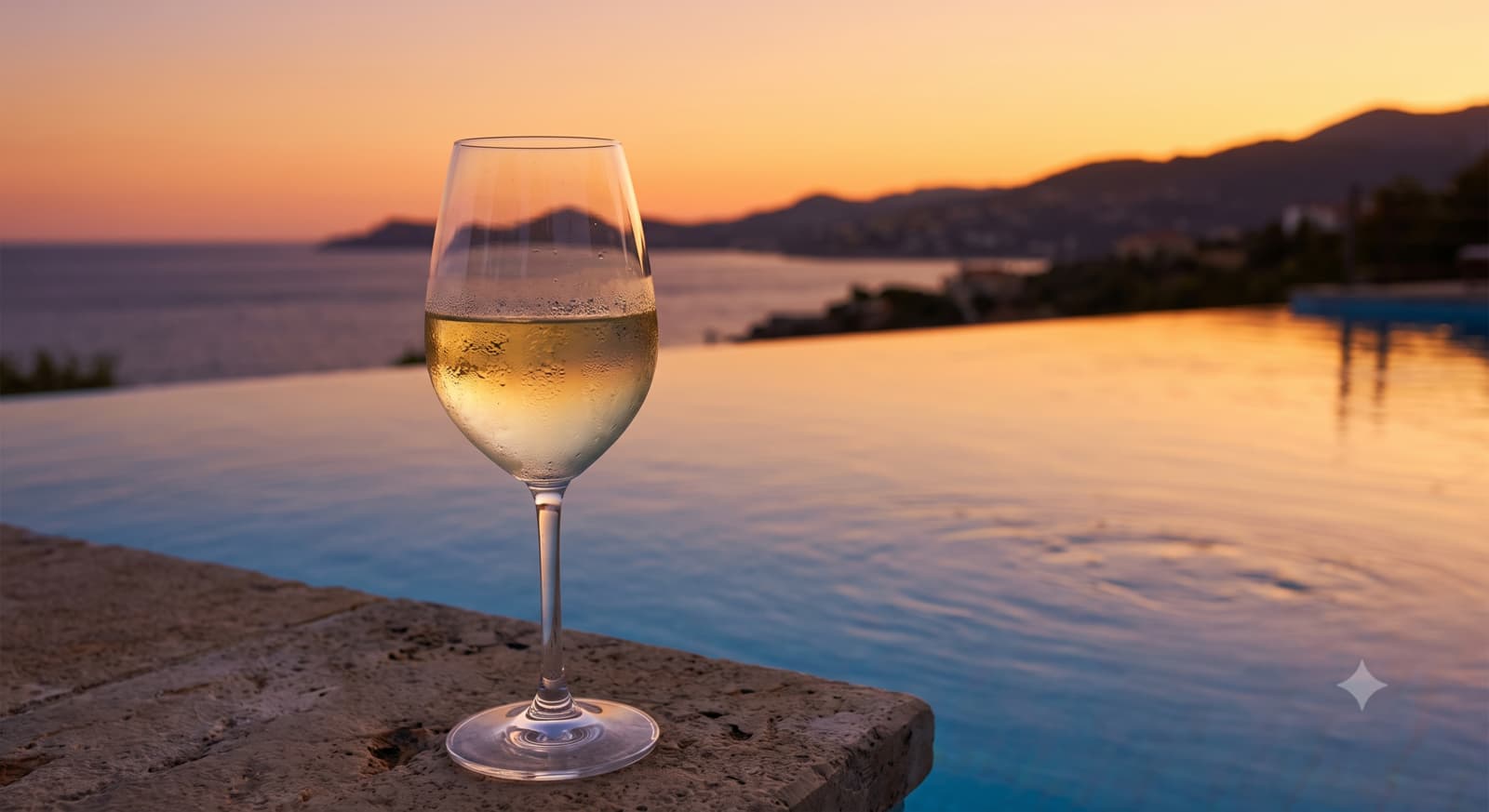
Serving temperature: 10–12°C, well chilled to bring out its floral aromatics and bright acidity. If your bottle has been sitting at room temperature, 30 minutes in the fridge before serving will make a noticeable difference.

Glassware: A standard white wine glass with a slightly tapered rim helps concentrate Soave's delicate aromas. Avoid overly large bowls that can dissipate the subtler floral notes.

Storage: Most Soave is designed to be enjoyed young, within one to three years of vintage, while its fruit is fresh and vibrant. Soave Classico and Superiore wines from premium producers can develop further complexity with additional age, offering a richer, more textured experience over time.

After opening: Re-cork and refrigerate. Soave is best enjoyed within two to three days of opening.

FAQs About Soave Wine

How do you pronounce Soave?

Soave is pronounced SWAH-vay, two syllables, with the emphasis on the first.

Is Soave wine sweet or dry?

Soave is a dry white wine. It tastes fresh and fruit-forward, but its character comes from the natural ripeness of the Garganega grape, not residual sugar.

What grape is Soave made from?

Soave is made primarily from Garganega, which must make up at least 70% of the blend. Trebbiano di Soave or Chardonnay can make up the remaining 30%.

What does Soave wine taste like?

Soave typically shows aromas of white flowers, peach, and honeydew, with a palate of lemon, pear, and green apple, finishing with a signature bitter almond note. It is light to medium-bodied with bright, refreshing acidity.

How long does Soave wine last after opening?

Once opened, Soave is best enjoyed within two to three days. Re-cork the bottle and keep it refrigerated to preserve its fresh, floral character.

SUBSCRIBE TO DE BORTOLI

Sign up for offers, wine insights, food and more