Table Of Contents

What Is Marsanne Wine?

De Bortoli Wines 11/08/2026

Marsanne is one of the white wine world's best-kept secrets. Rich, textural, and built to evolve beautifully in the bottle, it is a grape that rewards those willing to look beyond the familiar. Originally from the Northern Rhone Valley in France, Marsanne has found a remarkable second home in Australia, where it produces some of the country's most distinctive and age-worthy white wines. Whether you are new to the variety or simply want to understand it better, this guide covers everything: what Marsanne is, how it tastes, whether it is sweet or dry, how to serve it, and what to eat alongside it. Explore our full white wine collection to discover more styles worth knowing.

Where Does Marsanne Wine Come From?

Marsanne is a white grape variety originating from the Northern Rhone Valley in France, where it is the dominant white grape of prestigious appellations including Hermitage, Crozes-Hermitage, and Saint-Joseph. In these regions, Marsanne is often blended with Roussanne, its natural counterpart, to produce rich, complex, and long-lived white wines.

Australia has an equally proud Marsanne story. The Goulburn Valley in Victoria is home to some of the world's oldest Marsanne vines, with plantings dating back to 1927. This deep history means Australian winemakers have had generations to understand how the grape behaves in a warmer climate, and the results speak for themselves. Australian Marsanne tends to be generous and fruit-forward when young, with an impressive capacity to develop and deepen over many years in bottle.

What Does Marsanne Wine Taste Like?

Marsanne has a character unlike most white wines. It is medium to full-bodied with relatively low acidity and a texture that can feel almost waxy or creamy on the palate. It is a white wine with real presence and weight, yet it remains elegant rather than heavy.

What makes Marsanne truly fascinating is how dramatically it changes with age. Young and aged Marsanne are almost two different wines.

Marsanne Tasting Profile


Young Marsanne

Aged Marsanne (5+ years)

Aromas

Peach, citrus, honeysuckle, pear, almond

Honeysuckle, beeswax, roasted nuts, orange marmalade, quince

Palate

Fresh stone fruit,
lemon, melon, mineral

Rich, oily texture, baked apple, dried fruits, marzipan

Body

Medium

Medium to full

Acidity

Moderate to low

Moderate to low

Finish

Clean, fresh,
lightly floral

Long, complex, nutty

The transformation that happens in the bottle is one of the great pleasures of Marsanne. What begins as a fresh, approachable white with citrus and stone fruit gradually opens into something richer and more layered, with honeyed complexity and a beautifully waxy texture that is uniquely its own.

Is Marsanne Wine Sweet or Dry?

Marsanne is a dry white wine.

Despite its generous, sometimes honeyed character, Marsanne is fermented to dryness. The richness and weight you experience on the palate come from the grape's natural body and texture, not from residual sugar. As it ages, Marsanne can develop flavours that feel almost sweet, like beeswax, marmalade, and toasted nuts, but the wine itself remains dry throughout.

There are rare sweet styles made from dried Marsanne grapes, similar to a straw wine, but these are not the expressions you will typically encounter. The overwhelming majority of Marsanne on the market is dry, full of flavour, and beautifully suited to the table.

How Does Marsanne Change With Age?

Few white wines reward patience the way Marsanne does. This is one of the things that makes it so special.

In its first two or three years, Marsanne is lively and citrus-driven, with fresh peach, melon, and a delicate floral note. It is approachable and immediately enjoyable. Then something remarkable happens. Between five and ten years, the wine enters what some call an "awkward phase," where it can seem a little closed or flat. Push through, and what emerges on the other side is genuinely extraordinary.

With time, Marsanne develops honeysuckle, beeswax, and roasted nut complexity, the waxy texture deepens, and the wine takes on a golden richness that feels almost ancient. Premium examples have been known to age gracefully for twenty years or more. If you can resist opening a bottle early, Marsanne is one of the most rewarding whites to cellar.

What Food Goes With Marsanne Wine?

Marsanne's weight and texture make it one of the most food-friendly white wines you can pour. It sits comfortably alongside richer dishes that would overwhelm a lighter white, while its freshness when young keeps it from feeling heavy.

Marsanne Food Pairing Guide

Food

Why It Works

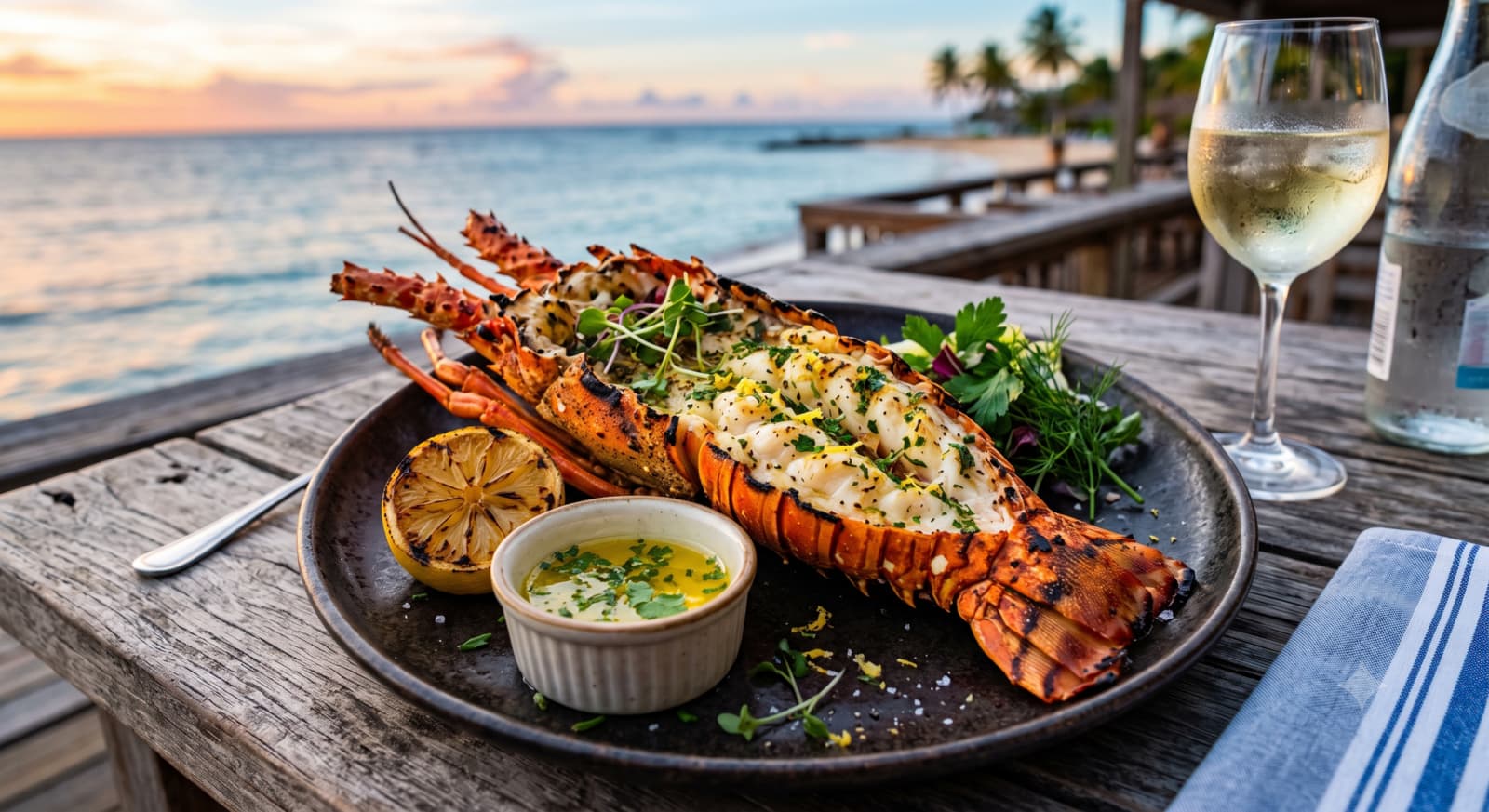
Grilled lobster or crab

Marsanne's body and texture match the richness of shellfish beautifully

Roast chicken with herbs

A classic pairing, the wine's weight complements the depth of the dish

Creamy pasta or risotto

Marsanne mirrors the creaminess of the sauce without competing with it

Slow-roasted pork belly

The richness of the meat is balanced by Marsanne's natural freshness

Spicy Asian cuisine

Marsanne's low acidity and gentle sweetness soften spice and heat

Aged hard cheese

Nutty, oily aged Marsanne matches beautifully with mature cheddar or gruyere

Roasted cauliflower or
vegetable tarts

Earthy, roasted vegetables draw out Marsanne's mineral and nutty character

A good rule to follow: younger Marsanne pairs best with lighter seafood and poultry dishes. Older, more complex Marsanne can hold its own alongside richer meats, aged cheese, and more intensely flavoured food.

How Should You Drink Marsanne?

Serving temperature: Serve young Marsanne well chilled, between 10 and 12°C, to keep its citrus and floral notes bright and fresh. Older, more complex Marsanne benefits from a slightly warmer serving temperature, around 13 to 14°C, which allows its layered aromas to open fully.

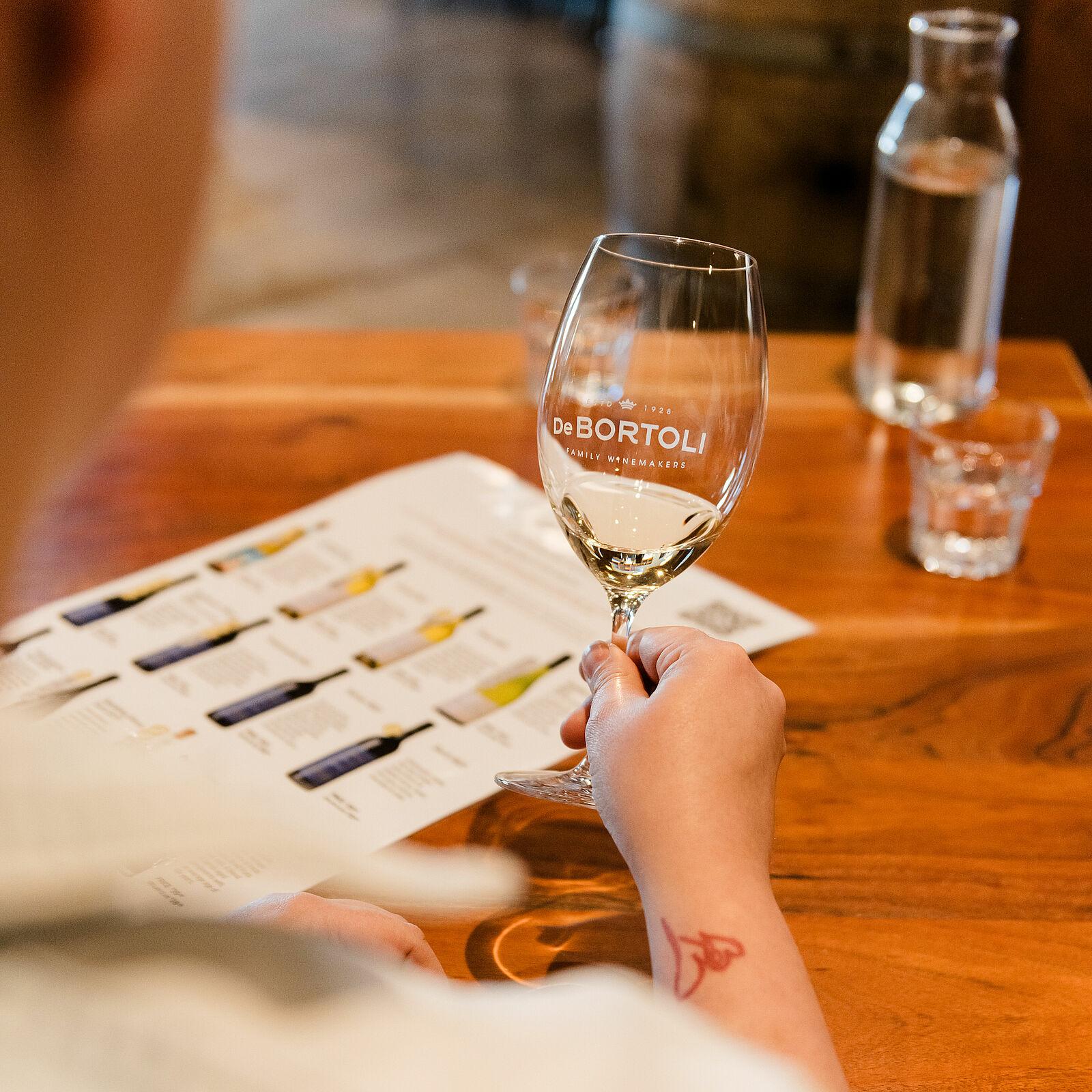
Glassware: A white wine glass with a generous bowl works well, giving the wine room to breathe and allowing the aromas to develop as you drink.

Decanting: Younger Marsanne does not need decanting. Older bottles can benefit from 20 to 30 minutes of air to let any bottle aromas settle and the wine open up.

Cellaring: If you enjoy following a wine's development, Marsanne is one of the most rewarding white wines to cellar. Premium examples can evolve for ten to twenty years. More approachable everyday styles are best enjoyed within three to five years of vintage while their fruit remains vibrant.

After opening: Re-cork and refrigerate. Marsanne is best enjoyed within two to three days.


FAQs About Marsanne Wine

What is Marsanne wine?

Marsanne is a white wine grape originating from the Northern Rhone Valley in France. It produces dry, medium to full-bodied whites with a waxy texture, low acidity, and a remarkable capacity to age and develop complexity over many years in bottle.

Is Marsanne wine sweet?

No, Marsanne is a dry white wine. Its rich, textural character and aged flavours of honeysuckle and beeswax can feel opulent, but the wine contains no residual sugar. Rare sweet styles exist but are not typical.

What does Marsanne wine taste like?

Young Marsanne shows peach, citrus, honeysuckle, and pear, with a smooth, slightly waxy texture. With age, it develops roasted nuts, beeswax, orange marmalade, and marzipan, becoming richer and more complex while remaining dry.

How should I drink Marsanne?

Serve young Marsanne chilled at 10 to 12°C alongside seafood, roast chicken, or creamy pasta. Older Marsanne can be served slightly warmer at around 13 to 14°C and pairs beautifully with aged cheese, rich meats, and roasted vegetables.

What food goes with Marsanne?

Marsanne pairs well with grilled lobster and crab, roast chicken, creamy risotto, slow-roasted pork, spicy Asian dishes, aged hard cheese, and roasted vegetables. It is a versatile food wine that suits both light and more robust dishes.

SUBSCRIBE TO DE BORTOLI

Sign up for offers, wine insights, food and more