Table Of Contents

What Is Gewürztraminer Wine?

De Bortoli Wines 12/12/2025

Gewürztraminer is a highly aromatic white grape variety celebrated for its intense floral and spice notes. Its hallmark aromas include rose petals, lychee, ginger, and exotic spices, making it instantly recognisable among white wines. The grape originated in Europe, particularly in Alsace (France), Germany, and northern Italy, before spreading to New World regions including Australia and New Zealand. 

Gewürztraminer is known for full-bodied wines with rich texture, low acidity, and a natural propensity for some residual sugar, which balances the intense aromatics. Its aromatic intensity and textural richness make it a standout on the table, especially when paired with foods that might overpower more delicate whites. 

In this guide, we’ll cover everything you need to know about this unique white: how to pronounce Gewürztraminer, its taste, whether it’s dry or sweet, where it’s grown, its style of white wine, serving tips, and ideal food pairings. By the end, you’ll be able to understand, serve, and enjoy this aromatic grape with confidence, and know how to select wines for different occasions. 

How Do You Pronounce Gewürztraminer?

Gewürztraminer is pronounced: "Guh-VOORTZ-trah-mee-ner".

  • Phonetic breakdown: guh-VOORTZ-trah-mee-ner
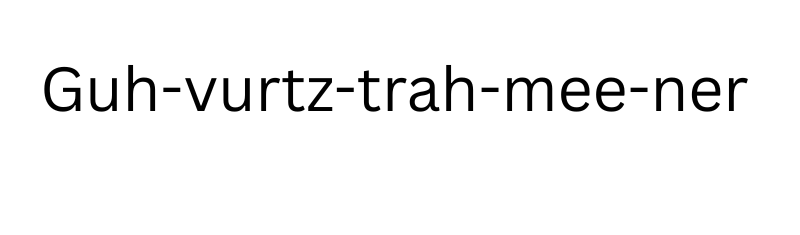
  • Repeat-friendly spelling: Guh-vurtz-trah-mee-ner
  • Origin: Germanic

The name literally translates to ‘Spicy Traminer’, referencing its aromatic spice character. While tricky at first glance, breaking it into syllables and practising aloud helps, and soon enough it becomes much easier to say with confidence. Pronunciation is particularly useful when reading wine lists, joining tastings, or discussing bottles with sommeliers. 

Is Gewürztraminer Dry or Sweet?

Gewürztraminer wine can actually be dry, off-dry or lightly sweet, depending on the region, climate and winemaker style. Most wines retain some residual sugar to balance the grape’s intense aromatics, giving a round, luscious texture. 

Regional examples include:

  • Alsace, France: Usually off-dry with pronounced lychee and rose aromas
  • Germany: Can be dry (trocken) or sweet (halbtrocken to spätlese)
  • Australia & New Zealand: Often dry to off-dry, showcasing fresh tropical fruits and subtle spice

Dryness scale (1–9):

  • 1–3: Sweet
  • 4–6: Off-dry
  • 7–9: Dry (most New World Gewürztraminers around 6–7)

Even in dry styles, Gewürztraminer’s natural richness and aromatic intensity give the impression of sweetness, which can be delightful for those who enjoy expressive wines. In warmer climates, the balance of sugar and acidity can shift, so it’s worth checking tasting notes or labels when selecting a bottle.

What Does Gewürztraminer Taste Like?

Gewürztraminer is instantly recognisable for its fragrant, exotic aroma and rich mouthfeel. Typical flavours include:

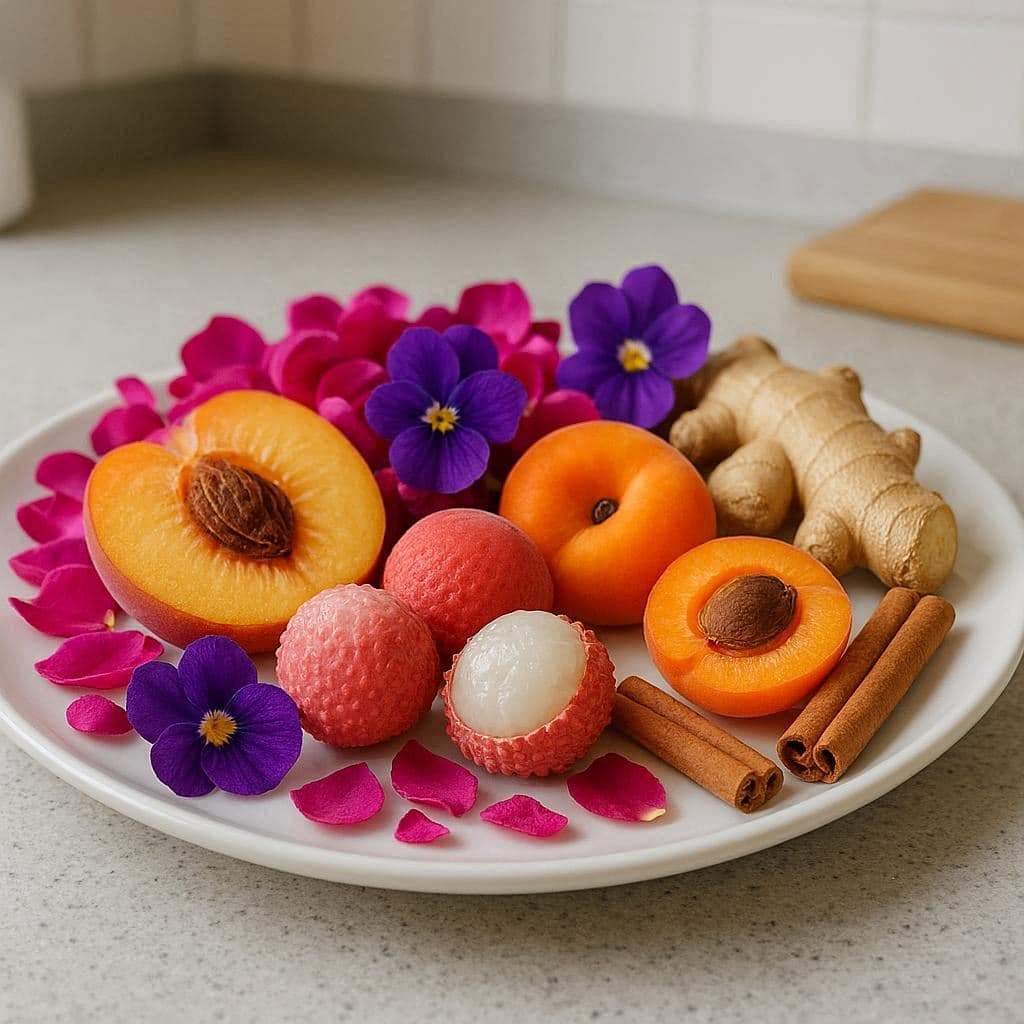
  • Floral: Rose petals, violet
  • Fruit: Lychee, peach, apricot
  • Spice: Ginger, cinnamon, subtle clove
  • Other: Honeyed notes, tropical nuances

The grape produces full-bodied wines with low to moderate acidity and often a soft, silky texture. Alcohol typically ranges from 12–14% ABV, contributing to the sense of weight and richness on the palate. 

Comparisons:

  • Muscat: Gewürztraminer is less grapey and more structured
  • Riesling: Gewürztramineris fuller-bodied and lower in acidity

Viognier: Shares aromatic richness, but Gewürztraminer tends to be spicier and more floral

A tasting wheel for Gewürztraminer would emphasise floral, tropical, and spice categories, with subtle earthy undertones, helping new wine lovers orient themselves. Its intensity and exotic notes make it ideal for tasting flights with other aromatic whites.

Where Is Gewürztraminer Grown?

Gewürztraminer’s traditional home is Alsace, France, where it thrives in cool, steep slopes that preserve acidity while enhancing aromatics. Significant plantings also exist in:

  • Germany: Especially Baden, Pfalz, and Rheinhessen
  • Italy: Alto Adige and Trentino regions
  • New Zealand: Marlborough and Central Otago
  • Australia: Adelaide Hills, Tasmania, King Valley

Climate impact:

  • Cooler climates: preserve acidity, enhance freshness and floral character
  • Warmer climates: increase ripeness, fruit intensity, and richness

In Australia, cooler regions produce wines with crisp aromatics and balanced sweetness, while warmer areas yield richer, spicier wines with tropical fruit notes. Gewürztraminer’s sensitivity to climate makes site selection crucial for achieving the desired style. Winemakers often employ careful vineyard management to preserve aromatic complexity and natural acidity, ensuring the finished wine remains expressive. 

What Style of White Wine Is Gewürztraminer?

Gewürztraminer is typically:

  • Full-bodied and rich in texture
  • Perfumed and aromatic
  • Low in acidity compared to crisp whites
  • Slightly sweet, though dry examples exist
  • Can also be made as dessert wine in select regions

It contrasts sharply with crisp whites like Sauvignon Blanc or Pinot Grigio, which are lighter-bodied, higher in acidity, and less aromatic. Gewürztraminer is about intensity and aromatic presence, making it stand out on a tasting menu or as a distinctive pairing for bold flavours. Its natural weight and fragrance can elevate a meal, especially when matched thoughtfully with spiced or complex dishes.

How to Serve Gewürztraminer Wine

Consider these factors when serving Gewürztraminer:

  • Temperature: Serve chilled at 8–10°C
  • Glassware: Medium-sized white wine glass to concentrate aromas
  • Decanting: Generally not necessary; some vintage Alsace examples benefit from brief decanting to open aromatics

Ageing: Best enjoyed young (1–5 years) for freshness and floral intensity; high-quality Alsace wines can age 8–10 years

Food pairings:

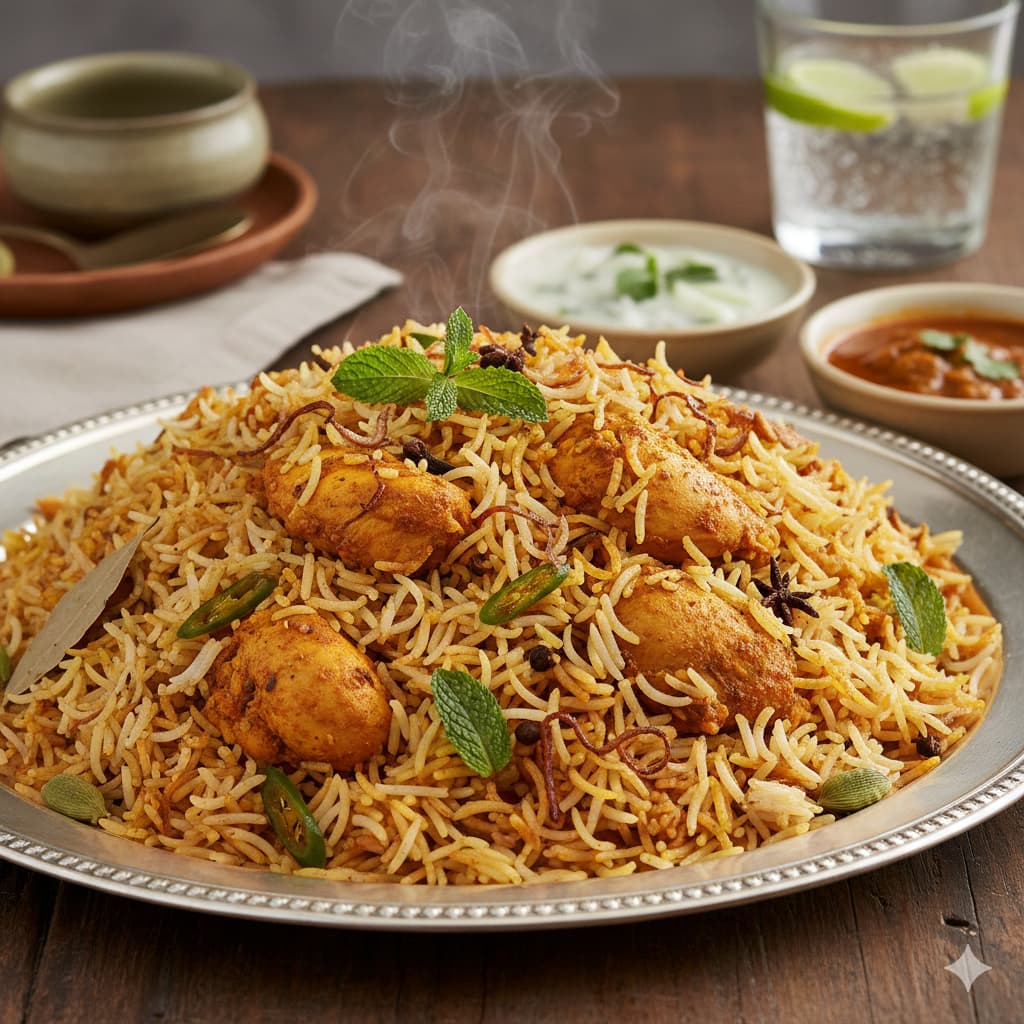
  • Spicy cuisine: Thai, Indian, or Moroccan dishes balance Gewürztraminer’s sweetness and aromatic intensity
  • Pork or duck: Complements richness and subtle spice
  • Mild cheeses: Creamy cheeses like Brie or washed-rind varieties pair well with aromatic notes
  • Asian fusion: Gewürztraminer’s exotic fruit flavours harmonise with sweet and sour sauces

The combination of low acidity and rich texture means Gewürztraminer is versatile with spice and aromatic dishes, but it can be overpowered by extremely bold flavours. Serving slightly chilled and with dishes that echo its exotic notes brings out the wine’s perfumed elegance and depth. 

FAQs About Gewürztraminer

Is Gewürztraminer similar to Moscato?

While both are aromatic and can be sweet, Gewürztraminer is fuller-bodied, spicier, and less fizzy. Moscato is lighter, fruitier, and often slightly sparkling, while Gewürztraminer delivers more texture and aromatic complexity. Its floral intensity and spice notes make it a more layered, intriguing choice for aromatic wine lovers.

Why is Gewürztraminer considered hard to grow?

The grape is sensitive to climate, requiring a precise ripening window; if picked too late, it can lose acidity or become overly alcoholic. Its susceptibility to disease, low yields, and need for careful vineyard management make it challenging for growers, but these efforts are rewarded with highly expressive wines. 

What wines are similar to Gewürztraminer?

  • Similar aromatic whites include:
  • Muscat (sweet, floral, tropical)
  • Viognier (full-bodied, fragrant, spiced)
  • Torrontés (floral, aromatic, South American alternative)

Is Gewürztraminer good for beginners?

Yes, its intense fragrance and low acidity make it approachable. However, some may find off-dry or sweeter examples too perfumed or rich, so it’s best to try small pours first. Its aromatic profile is usually a conversation starter at tastings or social events.

SUBSCRIBE TO DE BORTOLI

Sign up for offers, wine insights, food and more